7 min read
Should You Hire a Design-Build Firm or an Architect for a Home Addition in Avon, CT?
June 5, 2026
Planning a home addition is one of the most significant investments you can make in your home.
Whether you are considering a larger kitchen, a first-floor primary suite, a family room addition, an in-law suite, a garage expansion, or a second-story addition, the decisions you make early in the process can have a major impact on both the experience and the final outcome.
One of the first questions many Avon homeowners ask is:
Should I hire an architect first, or should I work with a design-build firm?
Both approaches can be successful. However, many homeowners planning a substantial addition find that the design-build model creates a more organized and predictable experience because design, budgeting, planning, permitting, and construction are coordinated from the beginning.
For homeowners in Avon, where properties often include larger lots, custom homes, established neighborhoods, and unique site conditions, early coordination can make a significant difference in how smoothly a project progresses.
EDUCATION
Understanding the Difference Between an Architect and a Design-Build Firm
Before deciding which path is right for your project, it helps to understand how each approach typically works.
The Traditional Architect-Led Process
An architect’s primary role is designing the project and preparing construction drawings.
The traditional process generally follows these steps:
- Hire an architect.
- Develop plans and construction drawings.
- Submit plans to contractors for pricing.
- Review bids.
- Select a contractor.
- Begin construction.
This approach can work well for homeowners who prefer an independent design process or who want to compare multiple contractor proposals based on completed drawings. The challenge is that construction pricing often comes later.
A homeowner may spend months refining plans and making design decisions only to discover that contractor bids exceed expectations. At that point, redesigns, scope reductions, or difficult compromises may be necessary.
The Design-Build Process
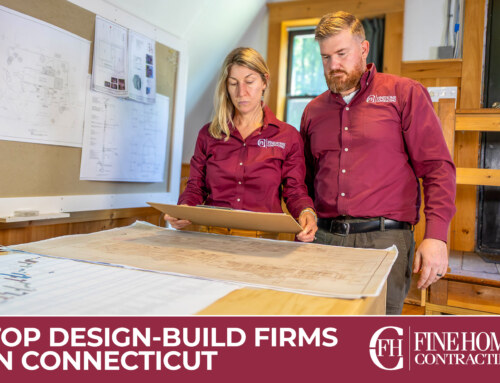
A design-build firm combines design and construction under one coordinated team.
Rather than separating design and construction into distinct phases, designers, estimators, project managers, and construction professionals work together throughout planning.
As design decisions are made, they are evaluated alongside:
- Budget expectations
- Construction feasibility
- Site conditions
- Material selections
- Permitting requirements
- Scheduling considerations
Because these conversations happen simultaneously, homeowners often gain a clearer understanding of what is possible before major decisions are finalized.
WHY?
Is Design-Build Better Than Hiring an Architect?
For many homeowners planning a home addition in Avon, the answer is yes.
A design-build process allows design goals and construction realities to be considered together from the beginning.
Instead of focusing solely on floor plans and aesthetics, homeowners receive guidance regarding:
- Project feasibility
- Budget alignment
- Structural requirements
- Property constraints
- Construction complexity
- Long-term value
This often reduces uncertainty and helps homeowners make informed decisions earlier in the process. That does not mean architects are not valuable. Architects continue to play an important role in residential construction and may still be involved in certain projects that require specialized expertise.
However, for many additions, homeowners appreciate having one team responsible for coordinating the project from planning through construction.
ADDITION CHALLENGES
Why Home Additions Are More Complex Than They Appear
Many homeowners initially think of an addition as simply creating more space.
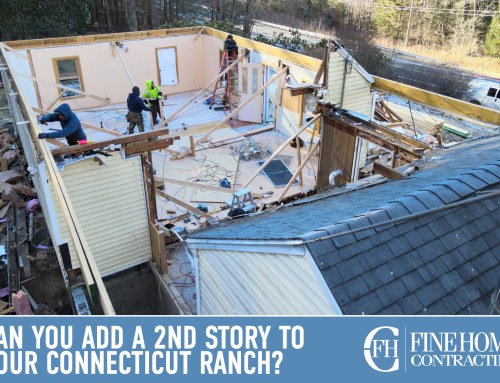
In reality, additions are among the most complex types of residential remodeling projects because they require new construction to integrate seamlessly with an existing home. Unlike building a new house, additions must connect to existing systems while maintaining architectural consistency and functional flow.
A successful addition often requires coordination between:
- Foundations
- Structural framing
- Roofing systems
- Exterior materials
- Windows and doors
- Plumbing
- Electrical systems
- HVAC systems
- Drainage
- Insulation
- Energy code requirements
- Interior finishes
- Permitting requirements
Every decision influences another. A kitchen addition may require structural modifications, electrical upgrades, plumbing relocation, HVAC adjustments, and changes to adjacent living spaces. A primary suite addition may involve foundation work, roofline modifications, plumbing extensions, and thoughtful integration with the existing floor plan. A second-story addition may require structural reinforcement, temporary weather protection, stair design, and extensive coordination with existing building systems.
Because so many systems overlap, additions benefit significantly from early collaboration between design and construction professionals.
THE PROBLEM
What Makes Remodeling in Avon Unique?
Avon is one of Connecticut’s most desirable communities for homeowners seeking larger properties, excellent schools, and long-term homeownership.
Many residents choose to invest in additions rather than move because they value:
- Established neighborhoods
- Larger residential lots
- Strong property values
- Architectural character
- Proximity to Farmington Valley amenities
At the same time, additions in Avon often involve unique planning considerations.
Larger Lots Don’t Always Mean Unlimited Flexibility
Many Avon homeowners assume that because they have a large property, adding onto the home will be straightforward.
In reality, additions may still be affected by:
- Zoning regulations
- Property setbacks
- Easements
- Septic systems
- Drainage requirements
- Wetlands considerations
- Topography
Understanding these constraints early helps prevent costly redesigns later.
Architectural Consistency Matters
Many Avon homes feature traditional Colonial architecture, custom designs, and carefully planned exterior details. The most successful additions feel like they were always part of the original home.
Careful attention should be given to:
- Rooflines
- Window placement
- Exterior materials
- Scale and proportion
- Interior transitions
A thoughtful addition should enhance the overall home rather than appear separate from it.
Outdoor Living Spaces Often Influence Design
Many Avon properties include:
- Pools
- Patios
- Outdoor kitchens
- Covered porches
- Extensive landscaping
A successful addition should improve the home while preserving the outdoor spaces that homeowners already enjoy.
BUDGETING
Better Budget Alignment from Day One
One of the most common frustrations homeowners experience during a traditional architect-led project is budget misalignment. A homeowner may invest considerable time and money developing plans only to discover that construction pricing exceeds expectations.
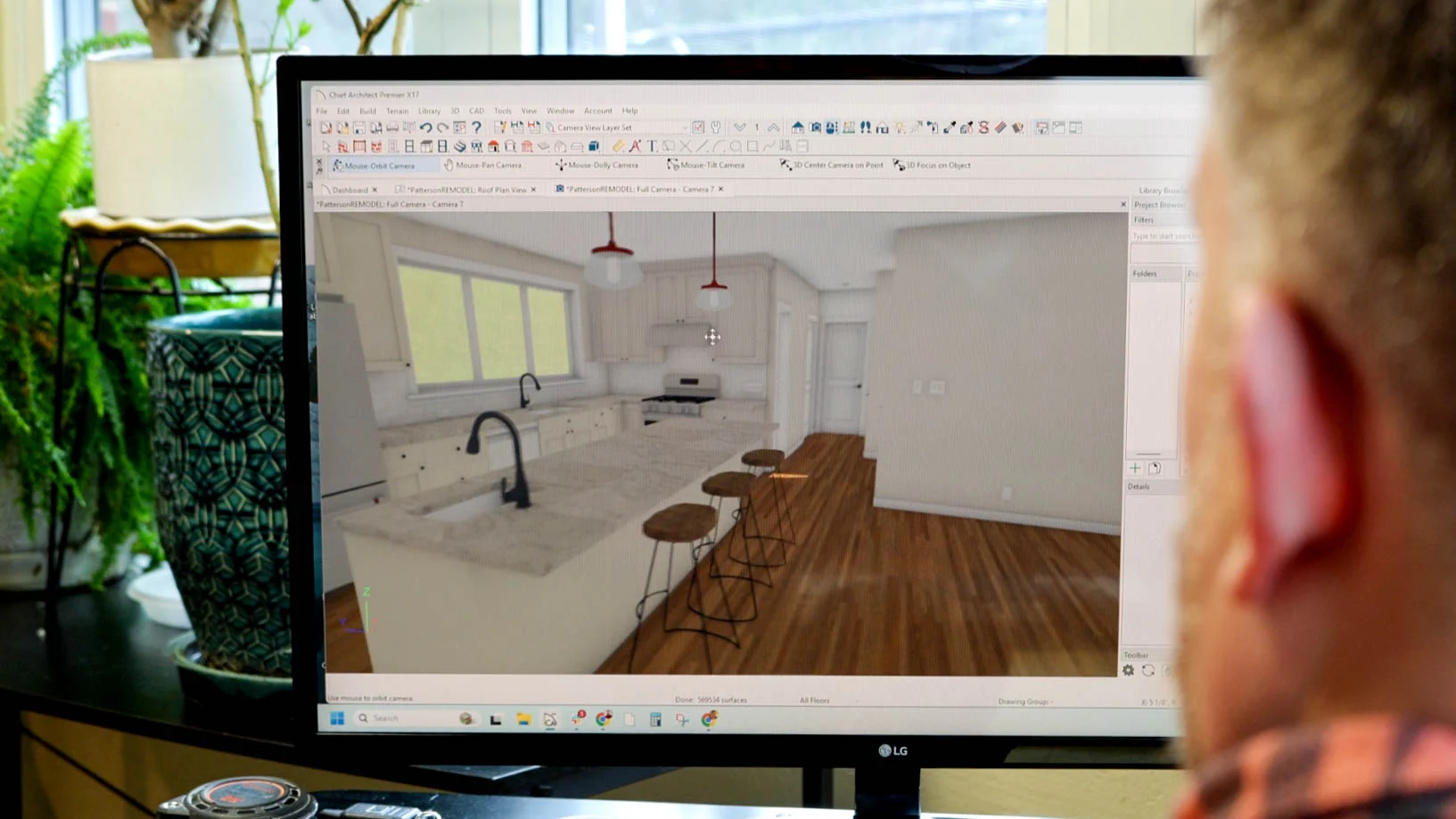
At that point, difficult decisions often follow. Projects may require redesigns, material substitutions, or scope reductions. The design-build process helps reduce this risk by incorporating estimating throughout design development. Because budgeting occurs alongside planning, homeowners receive ongoing feedback regarding how decisions affect the overall investment.
For example, homeowners can evaluate:
- Addition size
- Structural complexity
- Roofing details
- Window packages
- Exterior materials
- Interior finishes
- Mechanical upgrades
- Site work requirements
This transparency creates a more predictable planning experience and helps keep projects aligned with expectations.
OUR PROCESS
A MORE COMPLETE WAY TO REMODEL
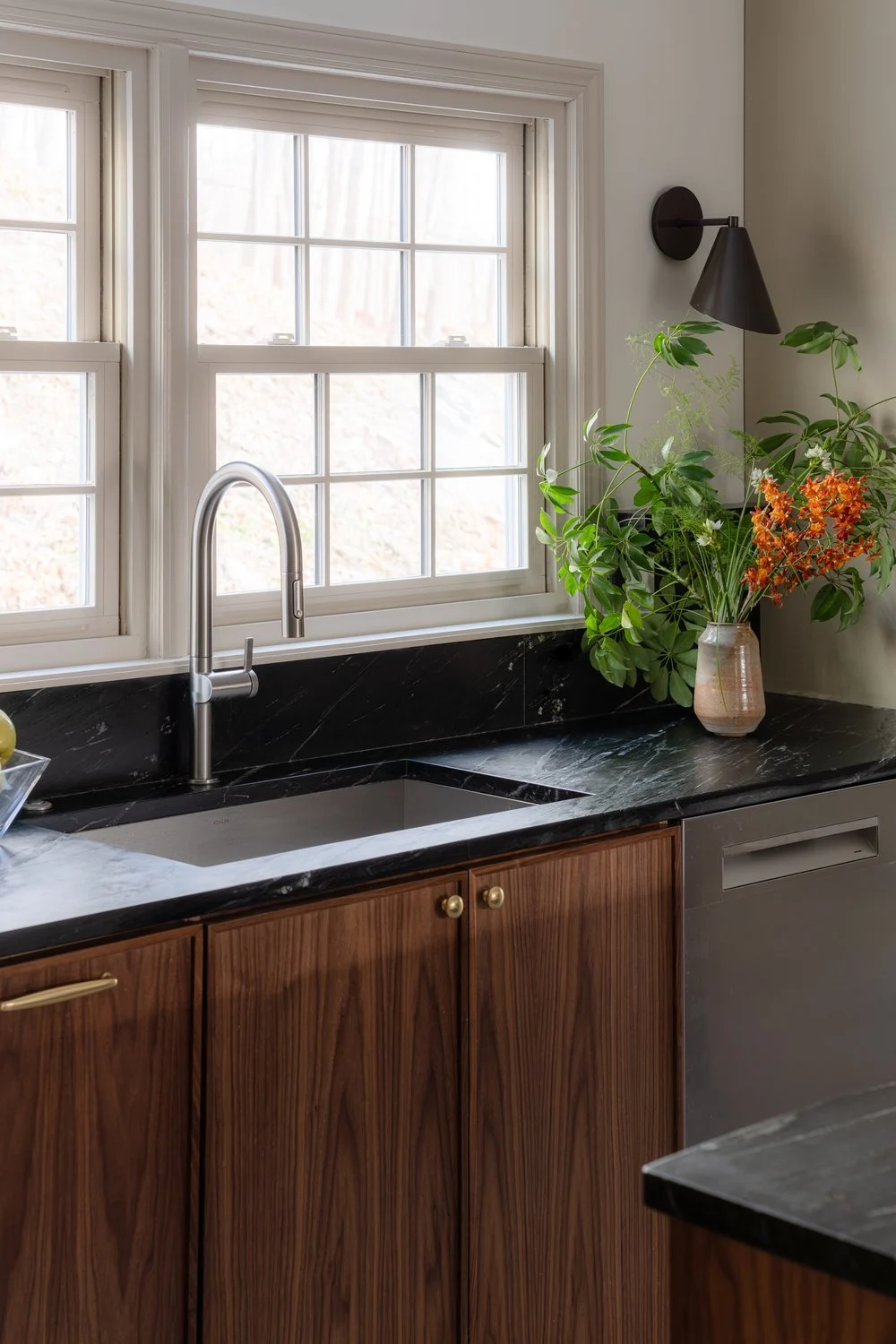
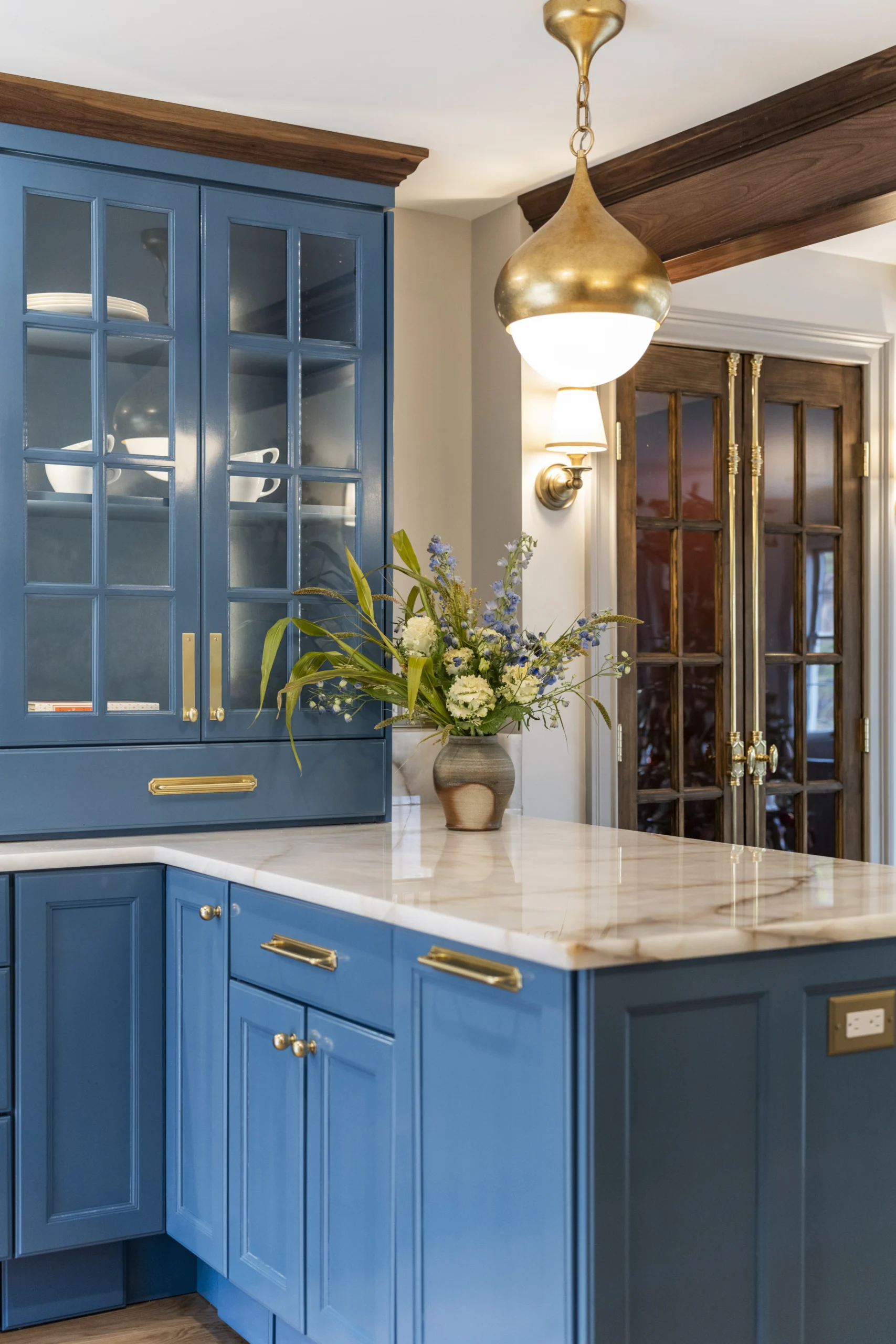
Large-scale home transformations require more than quality construction alone. They call for a team that can bring design, budgeting, selections, scheduling, and execution together from the very beginning.
At Fine Home Contracting, we guide Connecticut homeowners through complex remodels and additions with one coordinated team and one clear, carefully managed process. The result is a smoother experience, stronger alignment throughout, and a finished home that feels beautifully considered at every stage.
Whether you are opening an older layout, creating more space for the way your family lives today, or reimagining an entire home with greater comfort, function, and refinement, our focus remains the same: thoughtful planning, exceptional craftsmanship, and a result that feels cohesive in every detail.
OUR PROCESS
A MORE COMPLETE WAY TO REMODEL
Large-scale home transformations require more than quality construction alone. They call for a team that can bring design, budgeting, selections, scheduling, and execution together from the very beginning.
At Fine Home Contracting, we guide Connecticut homeowners through complex remodels and additions with one coordinated team and one clear, carefully managed process. The result is a smoother experience, stronger alignment throughout, and a finished home that feels beautifully considered at every stage.
Whether you are opening an older layout, creating more space for the way your family lives today, or reimagining an entire home with greater comfort, function, and refinement, our focus remains the same: thoughtful planning, exceptional craftsmanship, and a result that feels cohesive in every detail.
STAY INVOLVED
Improved Communication Throughout the Project
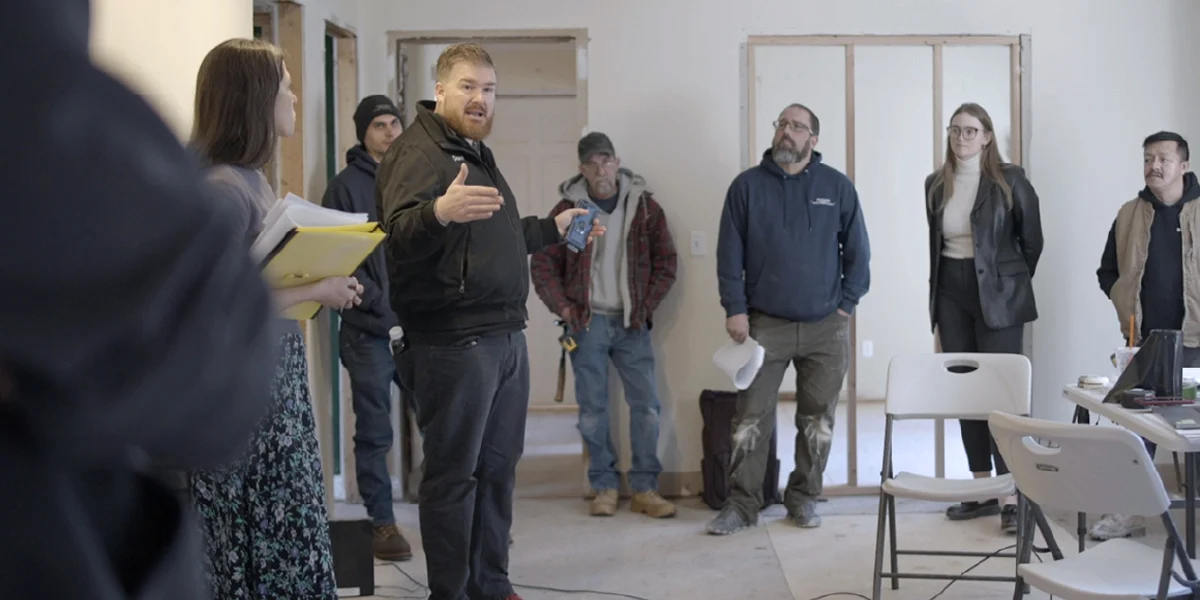
Communication is one of the most important factors in a successful remodeling experience. Home additions involve hundreds of decisions and many moving parts. In a traditional architect-contractor arrangement, communication often passes through multiple parties before decisions are finalized.
While this can work, it can also create delays and misunderstandings. A design-build approach keeps planning, design, and construction connected under one team.
For homeowners, this often means:
- Faster responses
- Better coordination
- More consistent communication
- Fewer misunderstandings
- Greater accountability
When challenges arise, a coordinated team can often resolve them more efficiently because everyone is working toward the same goals.
MISTAKES
Creating Additions That Feel Original to the Home
One of the hallmarks of a successful addition is that it feels like it belongs. Poorly planned additions can appear disconnected from the original home. Rooflines may not align. Exterior materials may seem mismatched. Interior transitions may feel forced. A thoughtful addition should blend naturally with the existing architecture.
This requires careful attention to:
- Roof design
- Exterior materials
- Window placement
- Architectural details
- Interior circulation
- Ceiling heights
- Trim profiles
- Flooring transitions
The goal is not simply to add space. The goal is to improve the entire home through a design that feels architecturally integrated and thoughtfully executed.
CLASSIFICATION
Common Types of Home Additions in Avon
- Kitchen Additions Kitchen additions help create better flow, more storage, improved functionality, and stronger connections to gathering spaces.
- Primary Suite Additions Many homeowners choose to create larger primary bedrooms, walk-in closets, and luxury bathrooms while remaining in the home they already love.
- Family Room Additions Family room additions create flexible living spaces designed around how families gather and spend time together.
- In-Law Suites and Guest Suites Multigenerational living continues to increase demand for thoughtfully planned accommodations for family members and guests.
- Garage Additions Garage additions improve storage, convenience, and curb appeal while supporting how the property is used.
- Second-Story Additions Second-story additions are among the most complex residential remodeling projects and benefit greatly from integrated planning and construction management.
MISTAKES
Common Mistakes Homeowners Should Avoid
- Designing Before Understanding Budget Budget conversations should begin early and continue throughout planning.
- Focusing Only on Square Footage The best additions improve functionality, comfort, storage, and overall livability.
- Ignoring Architectural Consistency An addition should complement the existing home rather than compete with it.
- Underestimating Site Conditions Drainage, grading, septic systems, utilities, wetlands, and zoning restrictions can significantly influence project scope.
- Choosing Based Solely on Price Experience, planning, communication, and project management often contribute more to project success than the lowest proposal.
- Delaying Material Selections Making selections early helps maintain schedules and avoid unnecessary delays.
FAQS
FREQUENTLY ASKED QUESTIONS
Is a design-build firm more expensive than hiring an architect separately?
Not necessarily. Design-build often helps reduce redesigns, budget surprises, and costly changes by aligning design and construction from the beginning.
Do design-build firms handle permits?
Yes. Most design-build firms coordinate permitting and help guide homeowners through local approval requirements.
Can a design-build firm create custom designs?
Absolutely. Design-build firms create customized solutions based on homeowner goals, property conditions, and investment expectations.
What types of additions work best with design-build?
Kitchen additions, primary suites, family rooms, garages, in-law suites, and second-story additions all benefit from integrated planning.
How long does a home addition take?
Every project is different. Design, permitting, selections, and construction all influence the timeline.
Do I still need engineering services?
Some projects require structural engineering or specialized consultants. Design-build firms typically coordinate those services when needed.
Why is design-build popular for remodeling?
Homeowners appreciate having one team responsible for planning, design, budgeting, and construction throughout the project.
PLANNING MATTERS
A Smarter Approach to Home Additions in Avon
A home addition is more than a construction project. It is an investment in how your family lives, entertains, works, and grows over time. Because additions involve so many interconnected decisions, many homeowners find that a design-build approach creates a more organized and predictable experience.
By bringing planning, design, budgeting, permitting, and construction together under one team, homeowners can make informed decisions earlier, reduce uncertainty, and create spaces that feel naturally integrated with the existing home.
If you are considering a substantial home addition in Avon, CT, Fine Home Contracting can help you evaluate your options, understand the planning process, and move forward with confidence from the very beginning.
SCHEDULE A CONSULTATION
READY TO TRANSFORM YOUR HOME?
After you submit, our team will reach out within 1 business day to schedule a call and discuss your goals.
SCHEDULE A CONSULTATION
READY TO TRANSFORM YOUR HOME?
After you submit, a member of our team will reach out within 1 business day to discuss your goals.
FINE HOME CONTRACTING
Luxury Design-Build Services
About the Author: David Perrotti