7 min read
What Is the First Step of a Luxury Home Addition in Simsbury, CT?
June 4, 2026
Many Simsbury homeowners reach a point where their home no longer supports the way they live.
Perhaps the kitchen has become too small for entertaining. Maybe the family needs a larger gathering space, a first-floor primary suite, a dedicated home office, or room for multigenerational living. The natural response is to start imagining floor plans and new spaces.
However, the first step of a successful luxury home addition is not choosing finishes, creating renderings, or selecting cabinetry. The first step is understanding what the property can support.
Before design begins, homeowners should evaluate zoning requirements, setbacks, site conditions, and the architectural opportunities of the existing home. These factors establish the foundation for every decision that follows. The most successful additions start with feasibility first and design second
FIRST STEPS
Why Planning Matters More Than Homeowners Realize
One of the most common mistakes homeowners make is becoming attached to a specific design before understanding the limitations of the property.
A family may envision a large rear addition with vaulted ceilings and walls of glass only to discover later that setbacks, lot constraints, or other site conditions require significant changes. Starting with feasibility creates clarity. Rather than redesigning later, homeowners can move forward knowing the project is aligned with zoning regulations, budget expectations, and long-term goals.
EDUCATION
Understanding Zoning and Setbacks in Simsbury
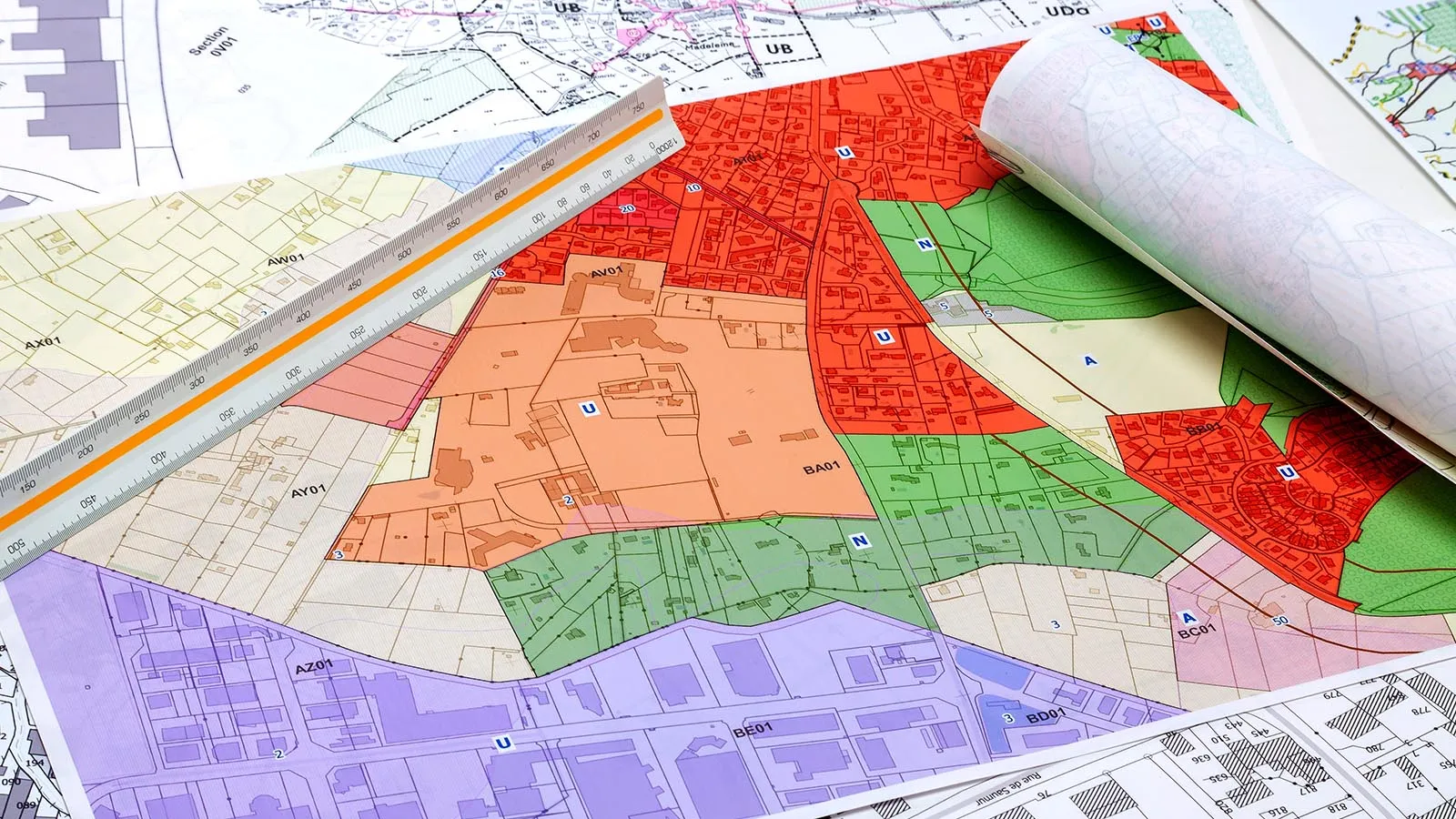
Every property in Simsbury falls within a zoning district that establishes development standards.
These regulations may influence:
- Building location
- Addition size
- Building height
- Lot coverage
- Front setbacks
- Side setbacks
- Rear setbacks
- Accessory structures
A zoning review helps determine the property’s buildable area before significant design work begins. Even on larger lots, setback requirements often influence how and where additions can be constructed.
EDUCATION
Why Larger Lots Don’t Always Mean Unlimited Possibilities
Many Simsbury homeowners are fortunate to own larger properties. This often creates the assumption that adding onto the home will be straightforward. However, lot size is only one factor. Additional considerations may include:
- Existing septic systems
- Wetlands
- Easements
- Drainage conditions
- Topography
- Existing structures
Understanding these factors early allows the design process to proceed with realistic expectations.
THE PROBLEM
What Makes Remodeling in Simsbury Unique?
Simsbury is one of Connecticut’s most desirable communities, known for its natural beauty, historic character, and thoughtfully maintained neighborhoods. Many homeowners choose to invest in additions rather than move because they appreciate:
- Established neighborhoods
- Excellent schools
- Larger residential lots
- Strong property values
- Architectural character
As a result, many remodeling projects focus on improving how the home functions while preserving the qualities that made the property attractive in the first place.
Architectural Consistency Matters
One of the defining characteristics of successful additions in Simsbury is architectural integration. The addition should feel like it belongs.
Rooflines, window placement, exterior materials, and interior transitions should be carefully considered so that the new space feels connected to the original home. The best additions rarely look new. They simply feel right.
Respecting the Character of the Neighborhood
Many Simsbury neighborhoods have a distinct architectural identity. Whether the home is a traditional Colonial, farmhouse, Cape, or custom residence, additions should complement the surrounding streetscape rather than compete with it.
Thoughtful design often creates more long-term value than simply maximizing square footage.

DESIGN-BUILD
The Design-Build Advantage
Luxury additions involve many moving parts. Success depends on coordinating:
- Design
- Budgeting
- Estimating
- Engineering
- Selections
- Permitting
- Construction
A design-build approach helps bring these elements together early in the process.
Instead of treating each phase separately, decisions are evaluated collectively so homeowners have a clearer understanding of costs, feasibility, and design opportunities from the beginning.
This often leads to a more seamless remodeling experience and fewer surprises during construction.
BEYOND ZONING
Additional Factors That Influence Addition Design
Once zoning and setbacks have been reviewed, several additional factors influence the project.
- Existing Structure The home’s current framing, foundation, and roof structure can impact design possibilities.
- Mechanical Systems Older homes may require updates to electrical, HVAC, or plumbing systems to support the new space.
- Energy Performance Many homeowners use an addition project as an opportunity to improve overall comfort and efficiency.
- Lifestyle Goals The best additions are designed around how a family actually lives rather than simply adding square footage.
FAQS
FREQUENTLY ASKED QUESTIONS
What is the first step of a home addition in Simsbury?
The first step is evaluating zoning regulations, setbacks, and site conditions to determine what is feasible on the property.
Can I build an addition anywhere on my lot?
No. Setbacks, zoning regulations, and environmental factors may limit where additions can be located.
How long does it take to plan a home addition?
Design, permitting, engineering, and selections often require several months before construction begins.
Why is zoning reviewed before design?
Understanding property constraints first helps avoid redesigns and creates a more efficient planning process.
What makes a luxury addition different?
Luxury additions focus not only on square footage but also on design quality, architectural consistency, functionality, and long-term value.
What are the benefits of design-build remodeling?
Design-build creates a coordinated process where design, budgeting, estimating, selections, and construction work together from the beginning.
PLANNING MATTERS
Building on a Strong Foundation
The most successful home additions in Simsbury begin with careful planning. Before discussing layouts, cabinetry, finishes, or square footage, homeowners should understand what their property can support and how the addition can integrate with the existing home.
At Fine Home Contracting, we believe that thoughtful planning creates better outcomes. By evaluating zoning requirements, site conditions, design opportunities, and investment goals early in the process, homeowners can move forward with confidence and create additions that feel both beautiful and natural.
If you are considering a luxury home addition in Simsbury, CT, Fine Home Contracting can help you evaluate your property’s possibilities and navigate the design-build process with clarity from the very beginning.
SCHEDULE A CONSULTATION
READY TO TRANSFORM YOUR HOME?
After you submit, our team will reach out within 1 business day to schedule a call and discuss your goals.
SCHEDULE A CONSULTATION
READY TO TRANSFORM YOUR HOME?
After you submit, a member of our team will reach out within 1 business day to discuss your goals.
FINE HOME CONTRACTING
Luxury Design-Build Services
About the Author: David Perrotti