7 min read
What Is the First Step of a Home Addition in West Hartford, CT?
June 4, 2026
West Hartford is filled with beautiful homes in neighborhoods that homeowners love. Whether it’s the tree-lined streets of West Hartford Center, the historic charm of the Buena Vista neighborhood, or the established homes throughout the town, many families reach a point where they need more space but have no interest in moving.
The kitchen may feel undersized. A growing family may need additional bedrooms. Some homeowners want a first-floor primary suite, a larger family room, or dedicated work-from-home space. When these needs arise, many homeowners immediately start thinking about floor plans and design ideas.
However, the first step of a successful home addition in West Hartford is not designing the space. The first step is understanding what your property can support. Before floor plans are drawn, it is important to review zoning requirements, setbacks, lot coverage limitations, and site conditions. These factors establish the framework for every design decision that follows.
FIRST STEPS
Why Most Homeowners Start Too Late with Zoning
One of the most common mistakes homeowners make is investing in design work before determining what can legally be built.
A homeowner may envision expanding the rear of the house to create a large open-concept kitchen and family room. Later, they discover that setback requirements or lot coverage restrictions limit the size of the addition. At that point, redesign becomes necessary.
A better approach is to understand the property’s constraints before significant design work begins. This creates realistic expectations and allows the design process to move forward more efficiently.
EDUCATION
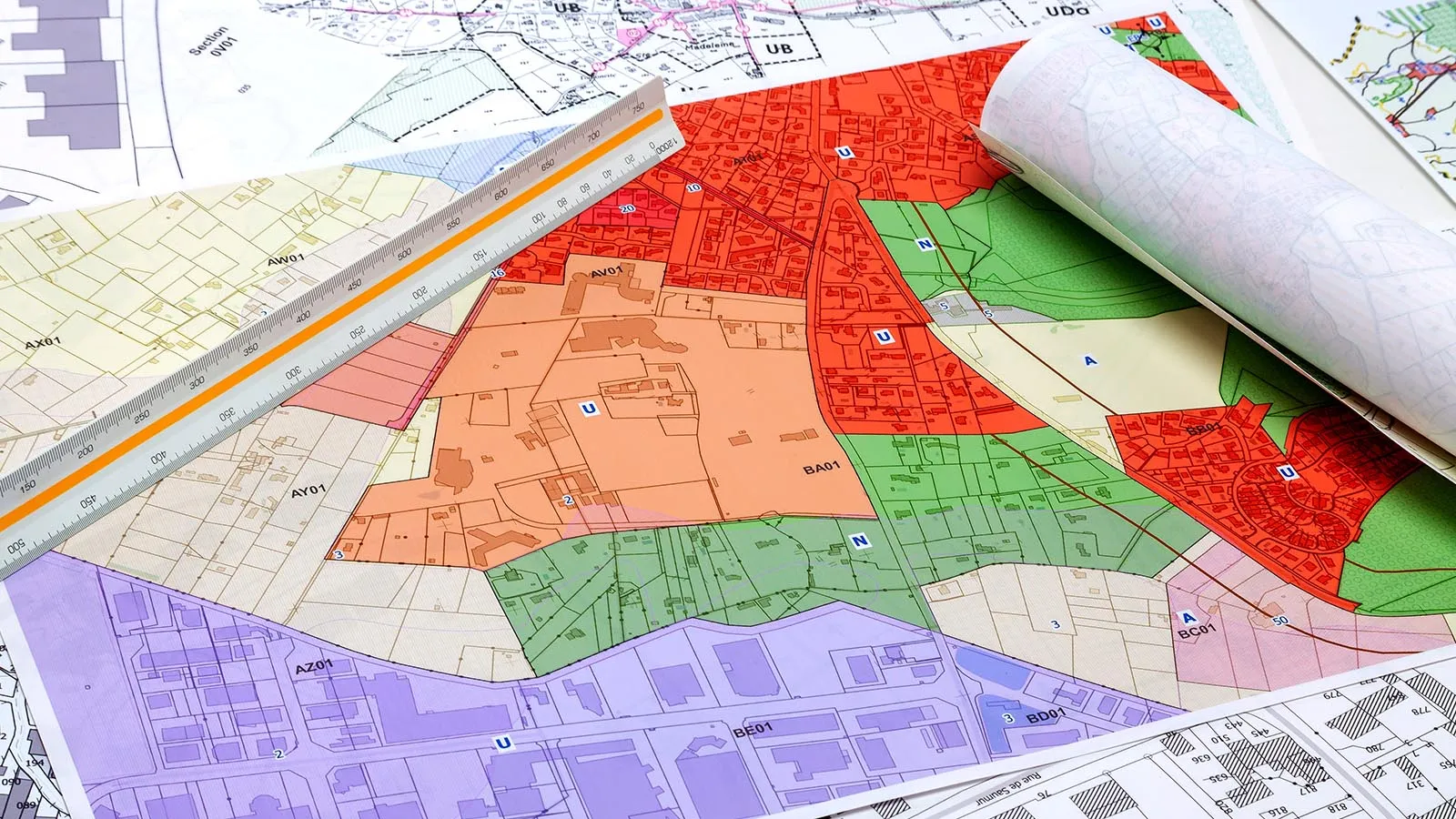
Understanding Zoning and Setbacks in Simsbury
Every residential property in West Hartford falls within a specific zoning district. These regulations help maintain neighborhood character and guide future development throughout the town.
Depending on the property, zoning regulations may affect:
- Addition placement
- Building height
- Lot coverage
- Front setbacks
- Side setbacks
- Rear setbacks
- Building dimensions
- Accessory structures
Before developing plans for an addition, homeowners should understand how these regulations apply to their property.
EDUCATION
What Are Setbacks?
Setbacks establish the minimum distance required between a structure and property lines. They create the buildable envelope where additions can legally be constructed.
The primary setback categories include:
Front Yard Setback
The required distance between the home and the street.
Side Yard Setback
The required distance between structures and neighboring properties.
Rear Yard Setback
The required distance between the home and the rear property line.
While these requirements may seem straightforward, they often have a significant impact on addition design.
THE PROBLEM
Why Lot Coverage Matters in West Hartford
Unlike some communities with very large residential lots, many West Hartford properties are more compact. As a result, lot coverage becomes an important consideration.
Lot coverage regulations limit the percentage of the property that can be occupied by structures and certain improvements. Even if setback requirements appear to allow an addition, lot coverage limitations may influence the final design. This is one reason why a zoning review should occur before architectural plans are developed.
NEW HOME, SAME ADDRESS
Why More West Hartford Homeowners Are Choosing to Add On Instead of Move
Many West Hartford residents have deep roots in their neighborhoods.
They appreciate:
- Walkability
- Schools
- Community amenities
- Mature landscaping
- Historic character
- Convenient access to Hartford
Moving often means giving up many of the qualities that attracted them to the home in the first place. A thoughtfully planned addition allows homeowners to stay where they are while creating spaces that better support their current lifestyle.

DESIGN-BUILD
The Design-Build Advantage
Luxury additions involve many moving parts. Success depends on coordinating:
- Design
- Budgeting
- Estimating
- Engineering
- Selections
- Permitting
- Construction
A design-build approach helps bring these elements together early in the process.
Instead of treating each phase separately, decisions are evaluated collectively so homeowners have a clearer understanding of costs, feasibility, and design opportunities from the beginning.
This often leads to a more seamless remodeling experience and fewer surprises during construction.
THE CHALLENGE
What Makes Remodeling in West Hartford Unique?
West Hartford presents opportunities that differ from many other Connecticut communities.
Older Homes Require Thoughtful Planning
Many homes were built decades ago and may require updates to:
- Electrical systems
- HVAC systems
- Structural framing
- Insulation
- Plumbing systems
Addressing these improvements during an addition often creates a more cohesive result.
Architectural Character Matters
Many of West Hartford’s neighborhoods have distinctive architectural identities. Whether a home is Colonial, Tudor, Cape, or Craftsman-inspired, the addition should feel connected to the original architecture. The most successful additions do not look like additions. They feel like they have always been part of the home.
Space Must Be Used Efficiently
Because lot sizes are often smaller than in surrounding suburban communities, thoughtful design becomes especially important. A well-planned addition focuses on functionality, flow, and quality of space rather than simply maximizing square footage.
BEYOND ZONING
Additional Factors That Affect Home Addition Planning
Beyond zoning and setbacks, several other factors may influence the project.
- Existing Structural Conditions The current home’s framing and foundation can impact design opportunities.
- Utility Upgrades Older homes may require mechanical, electrical, or plumbing improvements.
- Site Constraints Driveways, patios, trees, drainage patterns, and existing improvements may influence addition placement.
- Long-Term Lifestyle Goals The best additions solve both current needs and future needs.
MISTAKES
Common Mistakes Homeowners Should Avoid
- Starting with Design Instead of Feasibility Property research should always come first.
- Ignoring Lot Coverage Restrictions Lot coverage limitations can be just as important as setbacks.
- Focusing Only on Square Footage Better layouts often create more value than larger additions.
- Overlooking Architectural Consistency An addition should enhance the home’s character rather than compete with it.
- Separating Design and Construction Planning A coordinated design-build process often produces better outcomes.
FAQS
FREQUENTLY ASKED QUESTIONS
What is the first step of a home addition in West Hartford?
The first step is reviewing zoning regulations, setbacks, and lot coverage requirements to determine what can be built on the property.
Can I build an addition on a smaller lot?
In many cases, yes. However, setbacks and lot coverage regulations will influence the available options.
Why is zoning reviewed before design?
Understanding the property’s constraints first helps avoid redesigns and unexpected costs later.
How long does it take to plan an addition?
Design, engineering, permitting, and selections often require several months before construction begins.
Do older West Hartford homes require upgrades during an addition?
Many do. Electrical, HVAC, plumbing, and structural improvements are common considerations.
What are the benefits of design-build remodeling?
Design-build creates a coordinated process that aligns design, budgeting, estimating, selections, and construction from the beginning.
PLANNING MATTERS
Building the Right Addition Starts with the Right Information
The most successful home additions begin with planning, not construction. By understanding zoning requirements, setbacks, lot coverage limitations, and site conditions first, homeowners can make informed decisions that lead to better designs and more predictable outcomes.
At Fine Home Contracting, our design-build process begins with understanding the property and the family’s goals before moving into design and construction planning. The result is a more thoughtful process, a smoother experience, and an addition that feels like a natural extension of the home.
If you are considering a substantial home addition in West Hartford, CT, Fine Home Contracting can help you evaluate your property’s possibilities and guide you through the design-build process with clarity from the very beginning.
SCHEDULE A CONSULTATION
READY TO TRANSFORM YOUR HOME?
After you submit, our team will reach out within 1 business day to schedule a call and discuss your goals.
SCHEDULE A CONSULTATION
READY TO TRANSFORM YOUR HOME?
After you submit, a member of our team will reach out within 1 business day to discuss your goals.

FINE HOME CONTRACTING
Luxury Design-Build Services
About the Author: David Perrotti