7 min read
What Is the First Step of a Home Addition in Farmington, CT? UNDERSTANDING ZONING & SETBACKS
June 4, 2026
When homeowners begin thinking about a home addition, the first instinct is often to call an architect or start collecting design ideas. They may have a clear vision for a larger kitchen, a spacious family room, a first-floor primary suite, or additional space for a growing family.
While these ideas are important, the first step of a successful home addition in Farmington is not designing the addition. The first step is understanding what the property can support.
Before investing in floor plans, renderings, or engineering, homeowners should evaluate zoning requirements, setbacks, site conditions, and property constraints. These factors establish what is feasible and help ensure that design decisions are grounded in reality from the beginning.
The most successful additions start with feasibility first and design second.
FIRST STEPS
Why Homeowners Often Start in the Wrong Place
One of the most common mistakes homeowners make is developing detailed plans before understanding the limitations of their property. It’s easy to become excited about adding 800 or 1,000 square feet of living space. However, every property has constraints that can influence what can actually be built.
These may include:
- Zoning regulations
- Setback requirements
- Easements
- Wetlands
- Septic systems
- Drainage considerations
- Existing site improvements
Discovering these limitations after design work has begun often leads to costly revisions and unnecessary delays. A better approach is to evaluate the property first and allow the design to evolve from a clear understanding of what is possible.
EDUCATION
Understanding Zoning Requirements in Farmington
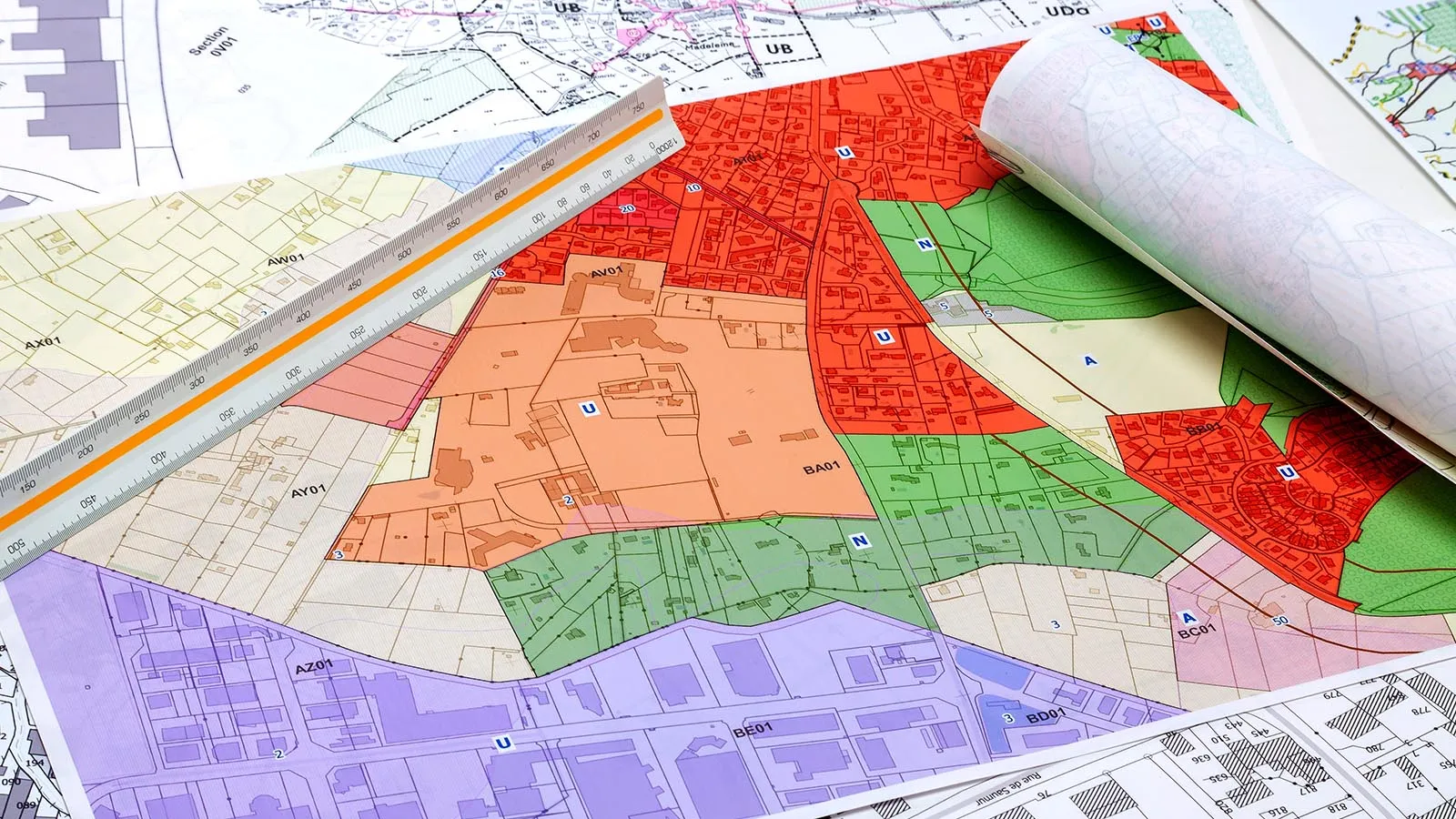
Every residential property in Farmington falls within a zoning district that establishes development standards. These regulations help guide growth while protecting neighborhood character and property values.
Depending on the location and zoning district, regulations may influence:
- Building placement
- Addition size
- Building height
- Lot coverage
- Front setbacks
- Side setbacks
- Rear setbacks
- Accessory structures
Before developing plans for an addition, it is important to understand how these regulations apply to the property.
EDUCATION
What Are Setbacks?
Setbacks establish the minimum distance that structures must maintain from property boundaries. These requirements create the buildable area where additions can legally be constructed. The primary setback categories include:
- Front Yard Setback The minimum distance between the home and the street.
- Side Yard Setback The required separation between structures and neighboring properties.
- Rear Yard Setback The minimum distance between the home and the rear property line.
These invisible boundaries often have a significant influence on the size and location of a home addition.
EDUCATION
Why Property Feasibility Matters Before Design
A home addition involves much more than available yard space. Many Farmington homeowners are surprised to learn that site conditions can significantly impact design options. Before plans are developed, it is important to evaluate:
- Existing Conditions The current home, foundation, roof structure, and utility systems all influence design possibilities.
- Site Layout Driveways, patios, pools, grading, and landscaping may affect where an addition can be located.
- Environmental Considerations Wetlands, drainage patterns, and protected areas may influence development opportunities.
- Utility Infrastructure Electrical, plumbing, HVAC, and septic systems may require upgrades depending on the scope of the project.
Understanding these factors early creates a stronger foundation for design decisions.
WHY?
Why More FARMINGTON Homeowners Are Choosing to Add On Instead of Move
Over the past several years, many Connecticut homeowners have discovered that moving may not solve all of their challenges. Even when a larger home is available, moving often means:
- Leaving a neighborhood they enjoy
- Giving up a desirable lot
- Paying significantly more for a similar home
- Compromising on location
For many families, investing in their existing property becomes the more attractive option. A thoughtfully planned addition allows homeowners to create the space they need while preserving everything they already love about their home and community.

DESIGN-BUILD
Why Design-Build Works Well for Home Additions
A luxury addition requires coordination among many moving parts.
Successful projects involve:
- Property evaluation
- Zoning review
- Design
- Budgeting
- Engineering
- Material selections
- Permitting
- Construction planning
A design-build approach brings these elements together from the beginning. Instead of designing first and pricing later, homeowners receive guidance throughout the planning process that helps align design goals with feasibility and investment expectations.
This often leads to a more predictable experience and fewer surprises.
THE PROBLEM
What Makes Remodeling in Farmington Unique?
Farmington offers a diverse mix of residential architecture and neighborhood styles.
The town includes:
- Historic homes
- Traditional Colonials
- Mid-century residences
- Custom executive homes
- Established neighborhoods with mature landscaping
Because of this variety, additions often require a balance between modern functionality and architectural consistency.
Many Homeowners Choose to Stay Rather Than Move
Farmington continues to attract homeowners who appreciate:
- Strong schools
- Convenient location
- Established neighborhoods
- Access to amenities
- Long-term property value
Rather than moving, many families choose to invest in additions that allow them to remain in the community they already enjoy.
Architectural Integration Is Critical
The best additions do not look like additions. They feel like they were always part of the original home.
Careful attention should be paid to:
- Rooflines
- Window placement
- Exterior materials
- Interior transitions
- Scale and proportion
A thoughtfully designed addition should enhance the home’s overall character while improving functionality.
MISTAKES
Common Mistakes Homeowners Should Avoid
- Starting with Floor Plans Instead of Property Research Understanding the property should always come before developing detailed designs.
- Assuming the Yard Determines What Can Be Built Setbacks, zoning requirements, wetlands, and utilities all influence the final project.
- Focusing Only on Square Footage Thoughtful layouts frequently create more value than simply adding more space.
- Ignoring Existing Home Conditions Older homes often require infrastructure improvements that should be considered during planning.
- Treating Design and Construction as Separate Processes The best results often come from careful coordination between design, budgeting, and construction from the beginning.
FAQS
FREQUENTLY ASKED QUESTIONS
What is the first step of a home addition in Farmington?
The first step is evaluating the property’s zoning requirements, setbacks, site conditions, and overall feasibility before beginning design.
Why shouldn’t I start with architectural plans?
Plans developed without understanding property constraints often require revisions later, resulting in additional time and expense.
Can setbacks affect the size of my addition?
Yes. Setbacks establish the buildable area and can significantly influence addition size and placement.
Does every addition require permits?
Yes. Most additions require local permits and inspections throughout the construction process.
How long does it take to plan a home addition?
Design, engineering, permitting, and selections often require several months before construction begins.
What are the benefits of design-build remodeling?
Design-build creates a coordinated process that aligns design, budgeting, estimating, selections, and construction from the beginning.
PLANNING MATTERS
A Better Addition Starts with a Better Plan
The most successful home additions begin with understanding the property before designing the project.
By evaluating zoning regulations, setbacks, site conditions, and long-term goals early in the process, homeowners can make informed decisions that lead to better outcomes and a smoother remodeling experience.
At Fine Home Contracting, our design-build process begins with careful planning and feasibility analysis before design work moves forward. This approach helps homeowners understand their property’s opportunities, align expectations, and create additions that feel both functional and architecturally consistent.
If you are considering a substantial home addition in Farmington, CT, Fine Home Contracting can help you evaluate your property’s potential and navigate the design-build process with clarity from the very beginning.
SCHEDULE A CONSULTATION
READY TO TRANSFORM YOUR HOME?
After you submit, our team will reach out within 1 business day to schedule a call and discuss your goals.
SCHEDULE A CONSULTATION
READY TO TRANSFORM YOUR HOME?
After you submit, a member of our team will reach out within 1 business day to discuss your goals.

FINE HOME CONTRACTING
Luxury Design-Build Services
About the Author: David Perrotti