7 min read
What Is the First Step of a Home Addition in Connecticut? ZONING & SETBACK GUIDE
June 18, 2026

Many Connecticut homeowners eventually reach a point where they love their home, but need it to function differently.
The kitchen may no longer support the way the family cooks, gathers, and entertains. A first-floor primary suite may become important for long-term comfort. A growing household may need another bedroom, a larger family room, a dedicated home office, or space for visiting relatives. In many cases, moving is not the preferred solution.
Connecticut homeowners often value their neighborhood, property, school district, commute, landscape, and the character of the home they already own. Rather than starting over somewhere else, many choose to invest in making their current home work better.
Before discussing floor plans, finishes, or design ideas, however, there is an important first step.
The first step of a successful home addition in Connecticut is understanding what your property can support.
Before investing in detailed architectural plans or design development, homeowners should evaluate zoning requirements, setbacks, septic systems, wetlands, drainage, site access, existing structures, and other property constraints. These factors shape what is feasible and create the foundation for every decision that follows.
A thoughtful addition begins with the property, not the floor plan.
FIRST STEPS
Why the First Step Is Not Design
One of the most common misconceptions about home additions is that the process begins with sketches and room layouts.
Design matters deeply. A successful addition should improve the way the home lives, look architecturally consistent, and feel connected to the original structure. But design becomes much more effective when it is grounded in the realities of the property.
A homeowner may imagine a large kitchen addition, a private primary suite, or a new family room overlooking the backyard. Later, they may discover that setbacks, septic fields, wetlands, slopes, drainage patterns, or lot coverage limits affect where the addition can go.
When feasibility is skipped, the process can become frustrating. Plans may need to be revised. Budgets may shift. Timelines may stretch. A design that looked appealing on paper may not fit the site as expected.
Starting with property feasibility helps homeowners answer the right questions early:
- Where can the addition legally be built?
- How much space is realistically available?
- Are there setback restrictions?
- Is there a septic system or reserve area to protect?
- Are wetlands or regulated areas nearby?
- Will drainage or grading affect the foundation?
- How will the addition connect to the existing structure?
- What investment range is appropriate for the scope?
These questions do not limit creativity. They make good design possible.
EDUCATION
Understanding Zoning Requirements in Connecticut
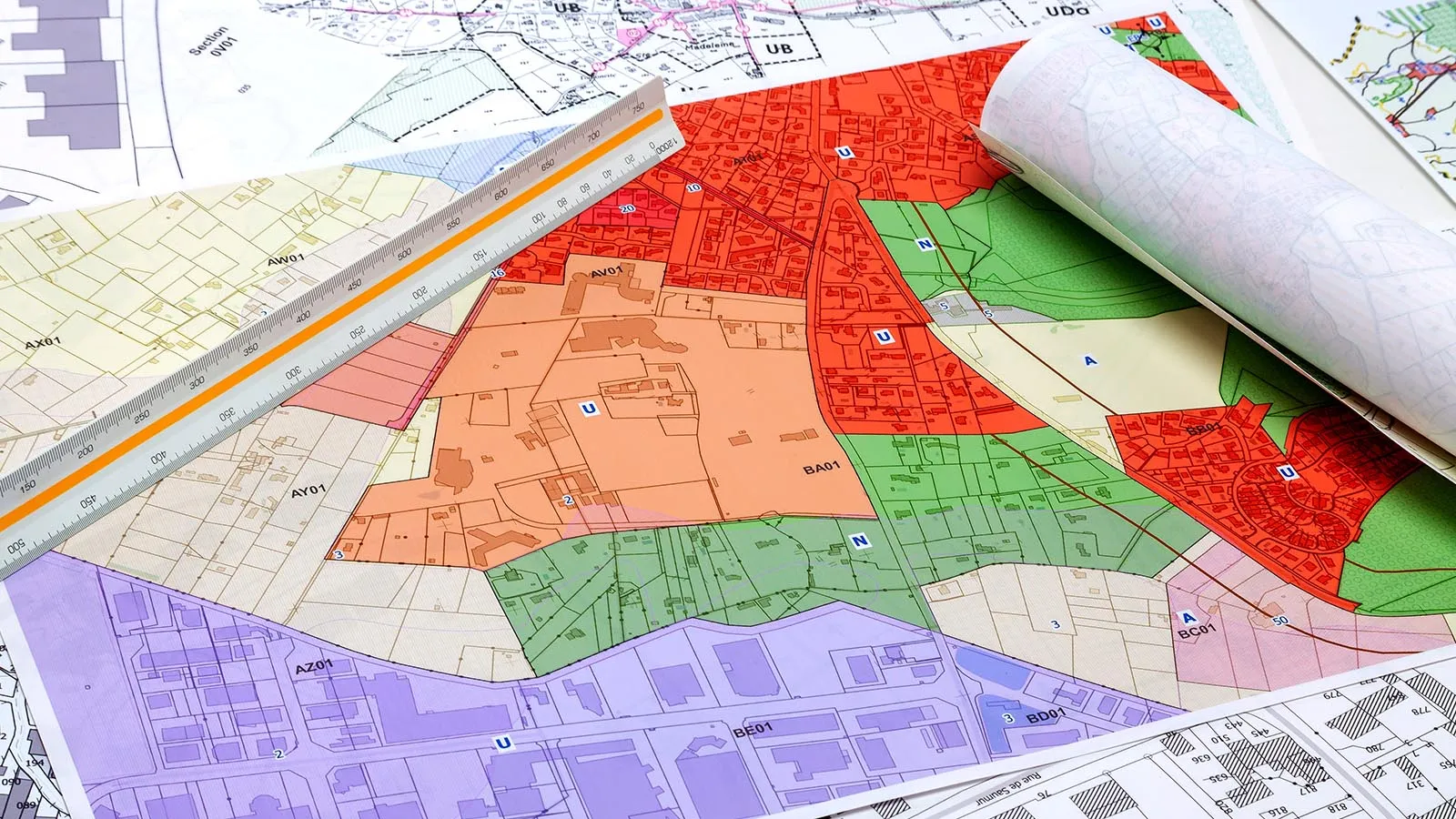
Every residential property in Connecticut is subject to local zoning regulations. These rules vary by municipality, zoning district, lot type, and project scope, so homeowners should avoid assuming that requirements in one town apply to another.
For a home addition, zoning may influence:
- Where the addition can be located
- Front, side, and rear setbacks
- Building height
- Lot coverage
- Floor area limitations
- Accessory structures
- Driveway or parking conditions
- Special districts or overlay requirements
- Whether additional approvals are needed
The purpose of early zoning review is not to turn homeowners into zoning experts. It is to make sure design ideas begin within a realistic buildable area.
For example, a homeowner may have a large backyard, but the buildable portion of the lot may be smaller than it appears. Another homeowner may have room on one side of the house, but side-yard setbacks may make that location impractical. A corner lot, sloped lot, or property near wetlands may involve additional planning considerations.
Understanding zoning early helps the design process begin with clearer boundaries.
EDUCATION
What Are Setbacks?
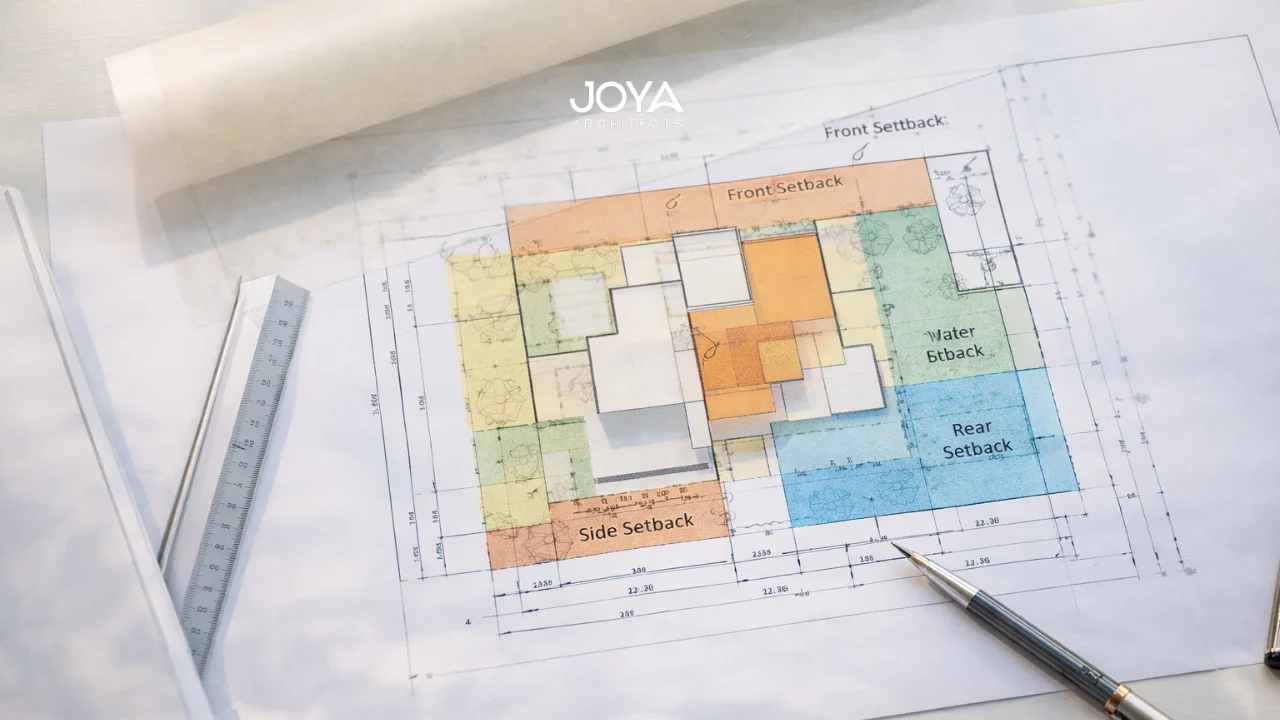
Setbacks are minimum required distances between a structure and property lines, streets, or other regulated areas.
They help define the buildable envelope of a property. In simple terms, the buildable envelope is the area where construction may be allowed after accounting for local requirements and site constraints.
The most common setback categories are:
Front Yard Setback
The required distance between the home and the front property line or street.
Side Yard Setback
The required distance between the home and neighboring side property lines.
Rear Yard Setback
The required distance between the home and the rear property line.
In some cases, other setbacks or regulated distances may apply, depending on the property. These may relate to wetlands, septic systems, accessory structures, easements, or other site-specific conditions.
Setbacks can be especially important for additions because they influence placement. Even if a homeowner has visible open space, that space may not be fully buildable.
For this reason, a setback review should happen before committing to a design direction.
HIDDEN ISSUES
Why Property Size Does Not Tell the Whole Story
Many Connecticut homeowners assume that if their lot is large enough, an addition should be straightforward. Sometimes that is true. Often, it is more nuanced.
A generous property can still have constraints that affect the project.
Septic Systems
Many Connecticut homes, particularly outside denser town centers, rely on septic systems. The location of the septic tank, leaching fields, and reserve areas can affect where an addition may be built.
A homeowner may have plenty of open yard space, but if that space contains or protects part of the septic system, it may not be available for construction. Septic considerations can also influence future planning if the addition changes bedroom count or occupancy assumptions.
This should be reviewed early, before the design becomes too specific.
Wetlands and Environmental Constraints
Connecticut’s landscape includes wetlands, watercourses, wooded properties, drainage areas, and other natural features that may affect development.
Not every property has wetlands concerns. But when wetlands or regulated areas are present, they can influence where work may occur, what approvals may be required, and how the project should be planned.
For homeowners, the practical takeaway is simple: natural features should be identified early so they do not become late-stage surprises.
Topography and Drainage
Sloped lots, ledge, grading, drainage patterns, and elevation changes can all shape an addition.
A design that works well on a flat lot may require a different foundation approach on a sloped property. Drainage may need to be managed carefully so the new addition does not create water problems around the home. Site access may also influence construction planning and cost.
These conditions do not necessarily prevent an addition. They simply need to be understood.
Existing Site Improvements
Pools, patios, decks, driveways, walkways, retaining walls, outdoor kitchens, landscaping, and detached structures can all affect addition placement.
Sometimes these elements can remain. Sometimes they need to be modified or removed. In either case, they should be part of the early feasibility conversation.
THE REASON
Why More Connecticut Homeowners Are Choosing to Add On Instead of Move
For many homeowners, a home addition is not only about space. It is about staying where life already works.
Moving may offer more square footage, but it can also mean giving up a neighborhood, school district, commute, lot, mature landscaping, or a home with personal history. In many Connecticut communities, finding a larger home with the same location, quality, and character may be difficult.
A thoughtfully planned addition allows homeowners to improve the home they already have.
Common motivations include:
- Creating a larger kitchen and gathering area
- Adding a family room
- Building a first-floor primary suite
- Supporting aging-in-place goals
- Making room for multigenerational living
- Adding guest accommodations
- Creating a dedicated office or studio
- Improving storage and daily function
- Enhancing indoor-outdoor connection
A strong addition should solve more than a square footage problem. It should make the home function better for the way the family lives now and expects to live in the future.

OUR PROCESS
A MORE COMPLETE WAY TO REMODEL
Large-scale home transformations require more than quality construction alone. They call for a team that can bring design, budgeting, selections, scheduling, and execution together from the very beginning.
At Fine Home Contracting, we guide Connecticut homeowners through complex remodels and additions with one coordinated team and one clear, carefully managed process. The result is a smoother experience, stronger alignment throughout, and a finished home that feels beautifully considered at every stage.
Whether you are opening an older layout, creating more space for the way your family lives today, or reimagining an entire home with greater comfort, function, and refinement, our focus remains the same: thoughtful planning, exceptional craftsmanship, and a result that feels cohesive in every detail.
DESIGN-BUILD
Why Design-Build Works Well for Home Additions
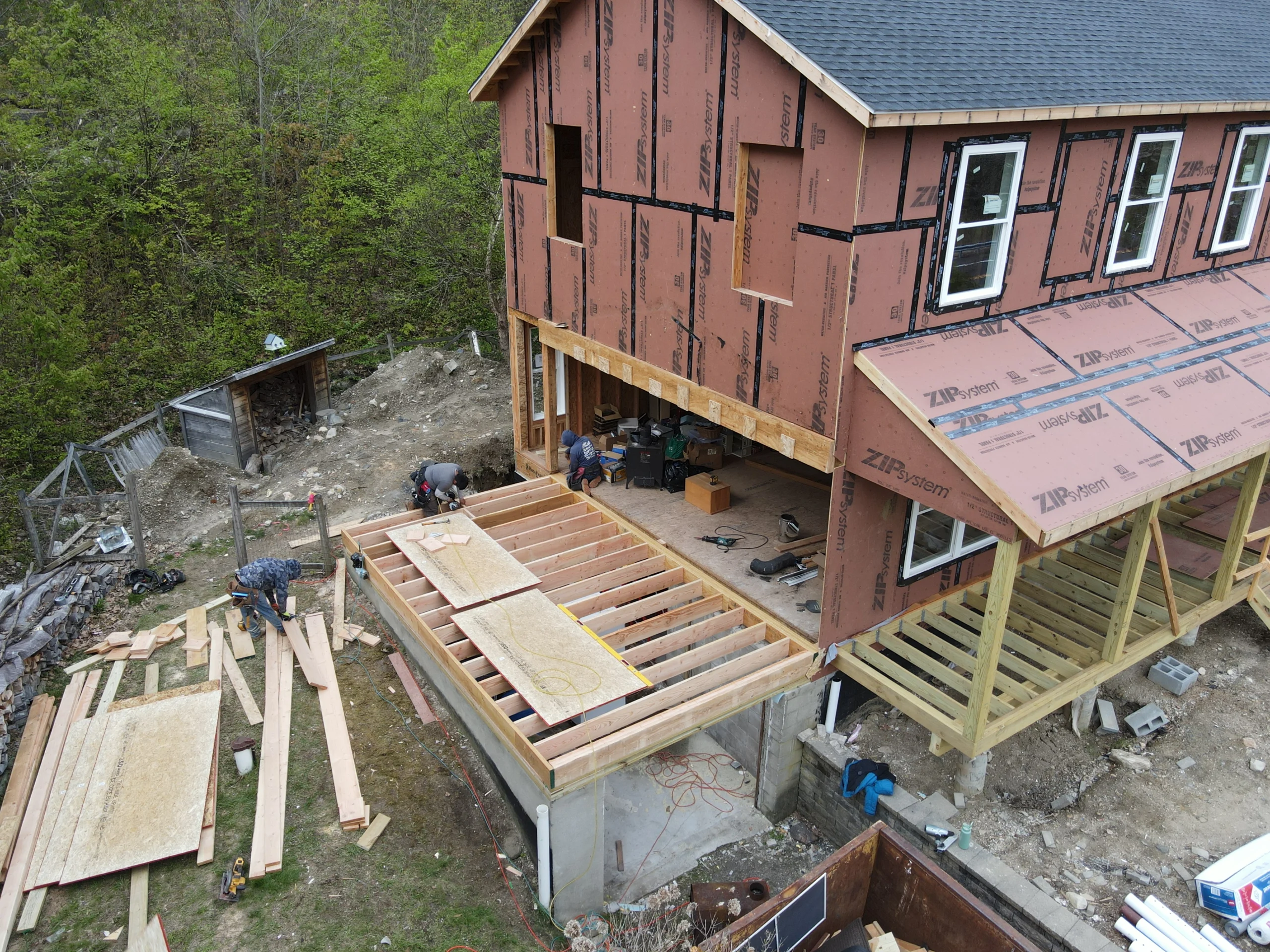
A home addition involves many connected decisions. Property feasibility, design, budget, engineering, permitting, selections, scheduling, and construction planning all influence one another.
A design-build approach brings those elements together from the beginning.
Instead of designing first and pricing later, the homeowner works through a more coordinated process. The team can evaluate feasibility, discuss investment expectations, explore design options, and identify construction considerations before the project moves too far forward.
This is especially useful for additions because early decisions can have significant consequences.
For example:
- The location of the addition may affect foundation cost.
- The roof design may affect the exterior appearance and construction complexity.
- The existing structure may require reinforcement.
- A septic system may limit placement.
- Material selections may affect lead times.
- Permitting requirements may shape the project schedule.
- Interior flow may change more of the existing home than expected.
Design-build does not remove complexity. It helps organize it.
For homeowners, that can mean clearer communication, more informed decisions, and fewer surprises as the project develops.
BUDGETING
Planning for Budget Before the Design Goes Too Far
Budget should not be treated as a late-stage conversation.
In a major home addition, investment is shaped by much more than square footage. Scope, site conditions, structural requirements, finishes, mechanical systems, exterior materials, rooflines, foundation work, and interior remodeling all affect the final cost.
A design-build planning process helps homeowners understand how choices influence the overall investment.
For example, two additions with similar square footage may have very different costs if one requires complex roof integration, extensive structural work, significant grading, or premium finish selections. A first-floor family room addition may involve a different investment profile than a second-story addition or a primary suite with a luxury bathroom and custom closets.
Early budget alignment helps homeowners make thoughtful decisions before the design becomes too developed.
The goal is not to reduce the project to the lowest possible cost. The goal is to align design ambition, property realities, and investment expectations in a clear and responsible way.
THE CHALLENGE
What Makes Remodeling in Connecticut Unique?
Connecticut remodeling is shaped by variety.
Homes differ widely by age, architecture, property size, site conditions, and community character. A design that works for a newer home on a flat suburban lot may not fit an older colonial, a wooded property, a home near wetlands, or a house with significant grade changes.
This makes early planning especially important.
Connecticut additions often require consideration of:
- Older homes and existing structural systems
- Traditional New England architecture
- Septic systems in many residential areas
- Wetlands and drainage conditions
- Seasonal construction planning
- Energy code expectations
- Town-by-town permitting requirements
- Neighborhood scale and architectural consistency
- Long-term homeownership goals
A well-planned addition should feel like a natural extension of the home. It should respect the property, improve daily living, and support the homeowner’s long-term plans.
FOREVER HOMES
Aging-in-Place and Long-Term Planning
Many Connecticut homeowners are not only thinking about what they need today. They are thinking about how the home should support them over the next decade or more.
This is one reason first-floor additions have become so meaningful for some families.
Aging-in-place and long-term comfort considerations may include:
- First-floor primary suites
- Larger bathrooms
- Curbless or low-threshold showers
- Wider circulation paths
- Improved laundry access
- Guest or family accommodations
- Better lighting
- Fewer daily stair dependencies
- More flexible room layouts
These choices should be discussed early because they affect layout, plumbing, structure, and overall scope.
A thoughtful design-build process can help homeowners balance current needs with future comfort, without making the home feel clinical or overly specialized.
CONSISTENCY
Architectural Consistency Matters
The best additions feel connected to the original home.
That requires more than matching siding or adding a doorway. A successful addition considers the full architectural relationship between old and new.
Important details may include:
- Rooflines
- Exterior materials
- Window proportions
- Trim details
- Foundation exposure
- Interior flow
- Ceiling heights
- Flooring transitions
- Sightlines
- Natural light
- Overall scale and massing
When an addition is not carefully integrated, it can feel attached rather than designed. It may disrupt the exterior balance of the home or create awkward transitions inside.
In Connecticut, where many homes have a strong architectural identity, this matters. Whether the home is a colonial, cape, ranch, farmhouse, contemporary, or custom residence, the addition should be designed with respect for the character of the existing structure.
MISTAKES
Common Mistakes Homeowners Should Avoid
A home addition can be one of the most valuable improvements a homeowner makes, but the planning process needs to be disciplined. These are some of the most common mistakes to avoid.
Starting With Floor Plans Before Evaluating the Property
Detailed design should come after feasibility review. Zoning, setbacks, septic systems, wetlands, drainage, and structural conditions can all influence what is possible.
Assuming a Larger Lot Has No Restrictions
Open space does not always equal buildable space. Setbacks, easements, environmental constraints, septic systems, and site conditions may limit where an addition can go.
Focusing Only on Immediate Needs
The best additions consider both present and future needs. A family room, primary suite, or guest space should be planned around long-term use, not only today’s frustration.
Ignoring Architectural Integration
An addition should look and feel connected to the original home. Rooflines, proportions, windows, and interior transitions should be handled carefully.
Separating Design From Budget Planning
When design and budget are disconnected, homeowners may face difficult revisions later. Investment expectations should be discussed early and revisited throughout planning.
Waiting Too Long to Discuss Permitting
Permitting requirements vary by municipality and project type. They should be part of the planning process, not an afterthought.
Underestimating Site Conditions
Drainage, slopes, ledge, utilities, access, trees, and existing outdoor features can all affect construction. These should be evaluated before the design is finalized.
FAQS
FREQUENTLY ASKED QUESTIONS
What is the first step of a home addition in Connecticut?
The first step is evaluating what the property can support. Before beginning detailed design, homeowners should review zoning requirements, setbacks, septic location, wetlands, drainage, lot conditions, and other feasibility factors.
Why should zoning be reviewed before designing an addition?
Zoning rules help determine where and how an addition can be built. Reviewing zoning early can help avoid redesigns, budget surprises, and plans that do not fit the property or local requirements.
What are setbacks in a home addition project?
Setbacks are required distances between a structure and property lines, streets, or other regulated areas. They help define the buildable area of the lot and influence where an addition may be placed.
Can a septic system affect where a home addition can be built?
Yes. Septic tanks, leaching fields, reserve areas, and related system requirements can influence where an addition can be located. Septic conditions should be reviewed early in the planning process.
Do wetlands affect home additions in Connecticut?
They can. Wetlands, watercourses, and regulated areas may affect where construction can occur and what approvals may be needed. Not every property has this issue, but it should be considered during feasibility planning.
Should I start with floor plans for a home addition?
Floor plans are important, but they should usually come after property feasibility is understood. Starting with zoning, setbacks, site conditions, and budget alignment helps create a more realistic design process.
Why does design-build work well for Connecticut home additions?
Design-build connects feasibility, design, budgeting, selections, permitting, and construction planning from the beginning. This is useful for Connecticut additions because property conditions and local requirements often shape the design.
PLANNING MATTERS
The Right Addition Starts With the Right Foundation
The most successful home additions begin before design.
They begin with understanding the property, the constraints, the opportunities, and the homeowner’s long-term goals. Zoning, setbacks, septic systems, wetlands, drainage, structure, budget, and design should all be part of the same early conversation.
When these factors are evaluated first, the design process becomes more focused and more productive. Homeowners can move forward with a clearer understanding of what is possible, what decisions need to be made, and how the project should be planned.
At Fine Home Contracting, our design-build process begins with careful planning and feasibility review so Connecticut homeowners can approach substantial additions with clarity from the beginning.
If you are considering a home addition in Connecticut, Fine Home Contracting can help you evaluate your property’s opportunities, understand the planning process, and create an addition that feels like a thoughtful extension of the home.
SCHEDULE A CONSULTATION
READY TO TRANSFORM YOUR HOME?
After you submit, our team will reach out within 1 business day to schedule a call and discuss your goals.
SCHEDULE A CONSULTATION
READY TO TRANSFORM YOUR HOME?
After you submit, a member of our team will reach out within 1 business day to discuss your goals.

FINE HOME CONTRACTING
Luxury Design-Build Services
About the Author: David Perrotti