7 min read
Why Roof Integration Matters for a Home Addition in Connecticut
June 18, 2026
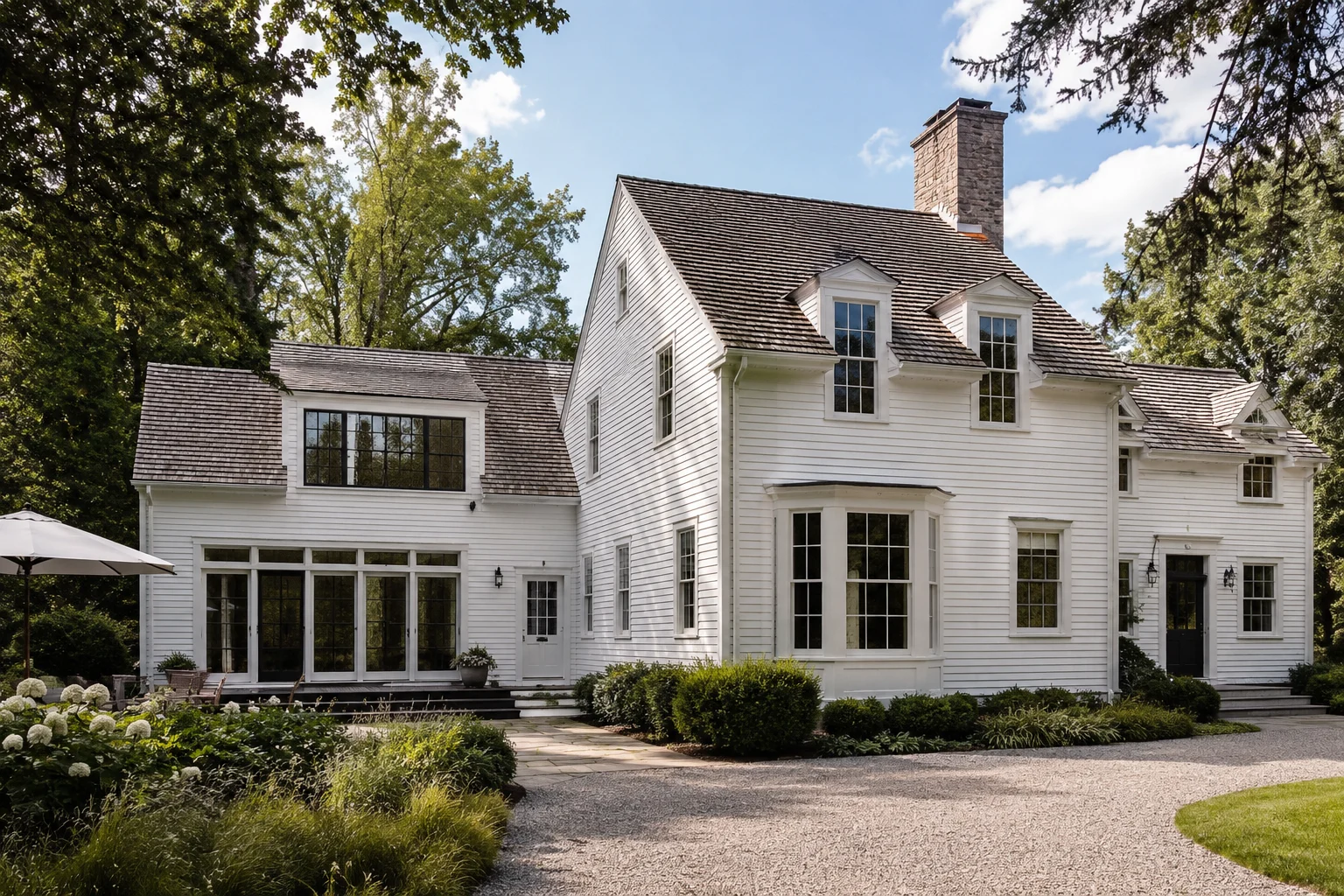
When homeowners begin planning a home addition, they often focus first on the space they want to gain.
They imagine a larger kitchen, a new family room, a first-floor primary suite, a guest space, a garage addition, or a second story that gives the home more room to grow. These are important goals. A well-planned addition should improve the way the family lives every day.
But one of the most important parts of a successful addition is often less obvious at the beginning.
How will the new roof connect to the existing home?
Roof integration is one of the biggest differences between an addition that feels original to the house and one that looks clearly added later. It affects exterior appearance, drainage, structure, long-term performance, construction complexity, and curb appeal.
For Connecticut homeowners, roof integration deserves careful attention from the earliest stages of planning. Many homes throughout the state have strong architectural character, whether they are colonials, capes, ranches, farmhouses, contemporaries, historic homes, or custom residences. A poorly planned roofline can make even a beautifully finished interior feel disconnected from the original home.
A successful addition should not simply add square footage. It should improve the home while preserving its character, balance, and architectural integrity.
That often starts at the roofline.
EDUCATION
What Is Roof Integration?
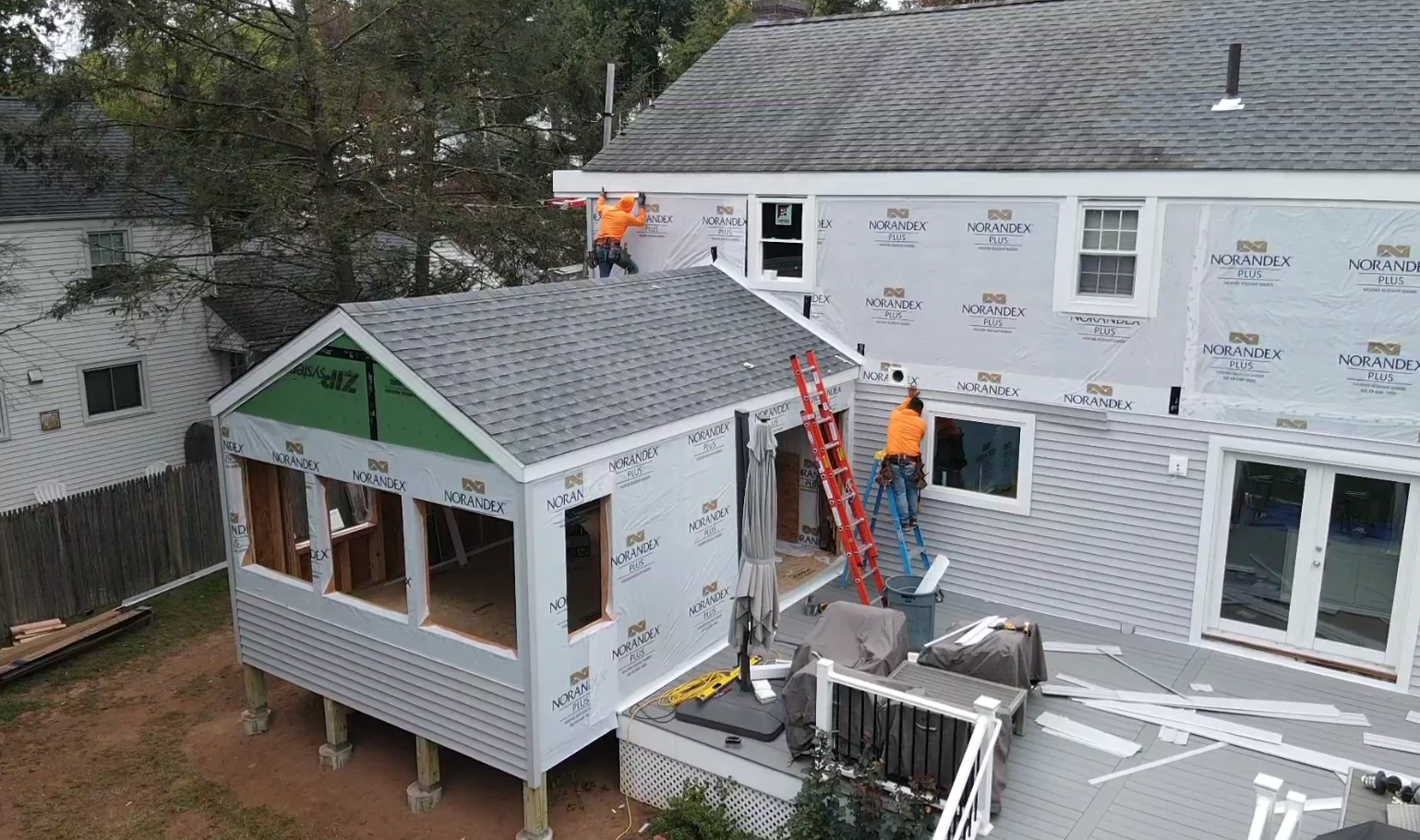
Roof integration refers to the way the roof of a new addition connects with the existing roof and structure.
The goal is to create a transition between old and new construction that feels intentional, balanced, and technically sound. A properly integrated roof should look natural from the outside, manage water correctly, preserve structural integrity, and support the long-term performance of the home.
A well-integrated roof considers:
- Roof pitch
- Roof height
- Existing framing
- Drainage
- Valleys and intersections
- Overhangs
- Exterior proportions
- Window placement
- Material transitions
- Architectural style
- Interior ceiling heights
- Construction sequencing
When roof integration is handled well, the addition feels like it was always meant to be there. Many people should not be able to tell where the original house ends and the addition begins.
That level of continuity does not happen by accident. It requires design and construction planning to happen together.
THE NEED
Why Roof Integration Is So Important
Many homeowners naturally focus on floor plans and finishes during the early design process. They want to know how the new kitchen will flow, how large the family room will feel, where the windows will go, and how the new space will support daily life.
Those decisions matter. But the exterior architecture often determines whether the addition enhances or weakens the overall home.
Poor roof integration can create several problems:
- Awkward rooflines
- Mismatched proportions
- Unnatural exterior elevations
- Drainage issues
- Water concentration areas
- Ice dam concerns
- Structural complications
- Reduced curb appeal
- An addition that looks visibly separate from the home
Even if the interior layout works well, the project can feel incomplete if the outside does not feel cohesive.
A thoughtful roof design protects the home, supports the structure, and helps the addition feel architecturally consistent.
FOUNDATION
The Best Additions Look Original
One of the hallmarks of a successful home addition is that it feels like it has always belonged.
That does not necessarily mean copying every detail of the original house. It means understanding the home’s architectural language and designing the addition in a way that respects it.
For Connecticut homes, this can be especially important. The state has a wide variety of residential styles, and many homes have recognizable proportions and exterior details. A colonial may need symmetry and restraint. A cape may require careful dormer and roofline planning. A ranch may need low, horizontal proportions. A historic home may call for particular sensitivity around scale, trim, and material choices.
Rooflines play a major role in that visual relationship.
A well-designed addition considers how the new roof will relate to the existing home from every visible angle. The goal is not simply to cover the new space. The goal is to make the new space feel architecturally connected.
FIRST STEPS
Why Rooflines Should Be Discussed Before Floor Plans Are Finalized
Floor plans and rooflines influence one another.
A room layout may look ideal from the inside but create exterior problems once the roof is considered. A large open space may require a roof form that conflicts with existing windows. A second-story addition may need a stair location that affects roof structure. A primary suite addition may need ceiling heights that change exterior proportions.
This is why roof integration should be evaluated early, not after the floor plan has already been finalized.
When the roof is considered from the beginning, the team can balance:
- Interior function
- Exterior architecture
- Ceiling heights
- Structural requirements
- Drainage
- Budget
- Construction feasibility
- Long-term maintenance
A design-build process is especially useful here because design and construction expertise are working together. The team can explore what looks right, what can be built well, and what makes sense for the homeowner’s investment level.
CHALLENGES
Common Roof Integration Challenges
Every home has its own conditions, but several roof integration challenges appear frequently during addition planning.
Existing Roof Height
The height of the existing roof has a major influence on what is possible.
If the new addition roof sits too high, it may overwhelm the original home. If it sits too low, it may feel like an afterthought or create awkward transitions. In some cases, the existing home’s roof height may limit ceiling heights or affect the shape of the addition.
Careful planning helps create visual balance between the original structure and the new space.
Roof Pitch
Roof pitch refers to the slope of the roof. Matching or complementing the existing pitch is often important for architectural consistency.
A roof with the wrong pitch can make an addition feel visually disconnected, even if the materials match. On some homes, a slightly different roof pitch may be appropriate, but it should be an intentional design choice rather than a construction shortcut.
Multiple Roof Planes
Many Connecticut homes already include several roof planes, gables, dormers, valleys, or intersecting sections.
Adding another roofline requires care. Too many intersections can create unnecessary complexity and potential drainage challenges. The design should simplify where possible while still supporting the intended interior layout.
Window Placement
Existing windows often affect roof design. This is especially true when adding onto a two-story home or planning a first-floor addition below second-floor windows.
A poorly planned roofline may block windows, reduce natural light, create awkward exterior spacing, or interfere with upper-level rooms. Window placement should be reviewed alongside roof design before the addition is finalized.
Drainage
Roof integration is not only about appearance. It is also about water management.
A roof must move water away from the home properly. Poor planning can create areas where water concentrates, drains toward vulnerable intersections, or increases the risk of ice-related issues during Connecticut winters.
Drainage details should be considered as part of the design, not solved as an afterthought.
Existing Roof Condition
The condition of the existing roof can also influence the project.
Older roofing materials, previous additions, prior repairs, framing limitations, or ventilation issues may affect how the new roof connects. In some cases, a home addition creates an opportunity to address existing roof concerns as part of a broader remodeling plan.
OUR PROCESS
A MORE COMPLETE WAY TO REMODEL
Large-scale home transformations require more than quality construction alone. They call for a team that can bring design, budgeting, selections, scheduling, and execution together from the very beginning.
At Fine Home Contracting, we guide Connecticut homeowners through complex remodels and additions with one coordinated team and one clear, carefully managed process. The result is a smoother experience, stronger alignment throughout, and a finished home that feels beautifully considered at every stage.
Whether you are opening an older layout, creating more space for the way your family lives today, or reimagining an entire home with greater comfort, function, and refinement, our focus remains the same: thoughtful planning, exceptional craftsmanship, and a result that feels cohesive in every detail.
EDUCATION
Roof Design and Different Types of Home Additions
Different additions create different roof integration considerations. Understanding these early can help homeowners make better decisions.
Family Room Additions
Family room additions often extend living space toward the backyard or side yard. These projects may offer opportunities to extend an existing roofline or create a complementary gable.
The challenge is making the room feel generous inside while keeping the exterior proportions balanced.
Kitchen Additions
Kitchen additions often involve both layout and structural complexity. Expanding a kitchen may change exterior walls, interior circulation, plumbing, electrical systems, and connections to dining or family spaces.
Roof integration needs to support the new layout while preserving the home’s exterior character.
First-Floor Primary Suite Additions
Primary suite additions need to balance privacy, comfort, and scale. The roofline should allow for appropriate ceiling heights without making the addition feel oversized or disconnected.
Because these additions often include bathrooms and closets, mechanical and plumbing considerations may also influence placement.
Garage Additions
Garage additions can have a major effect on curb appeal because they are often visible from the street. The roofline needs to support both function and appearance.
A garage roof that feels too large, too flat, or poorly connected can dominate the home. A well-proportioned design can improve both function and exterior balance.
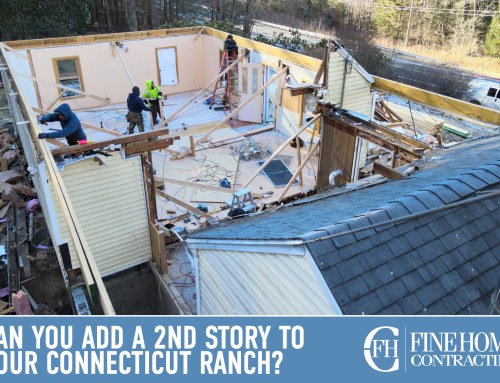
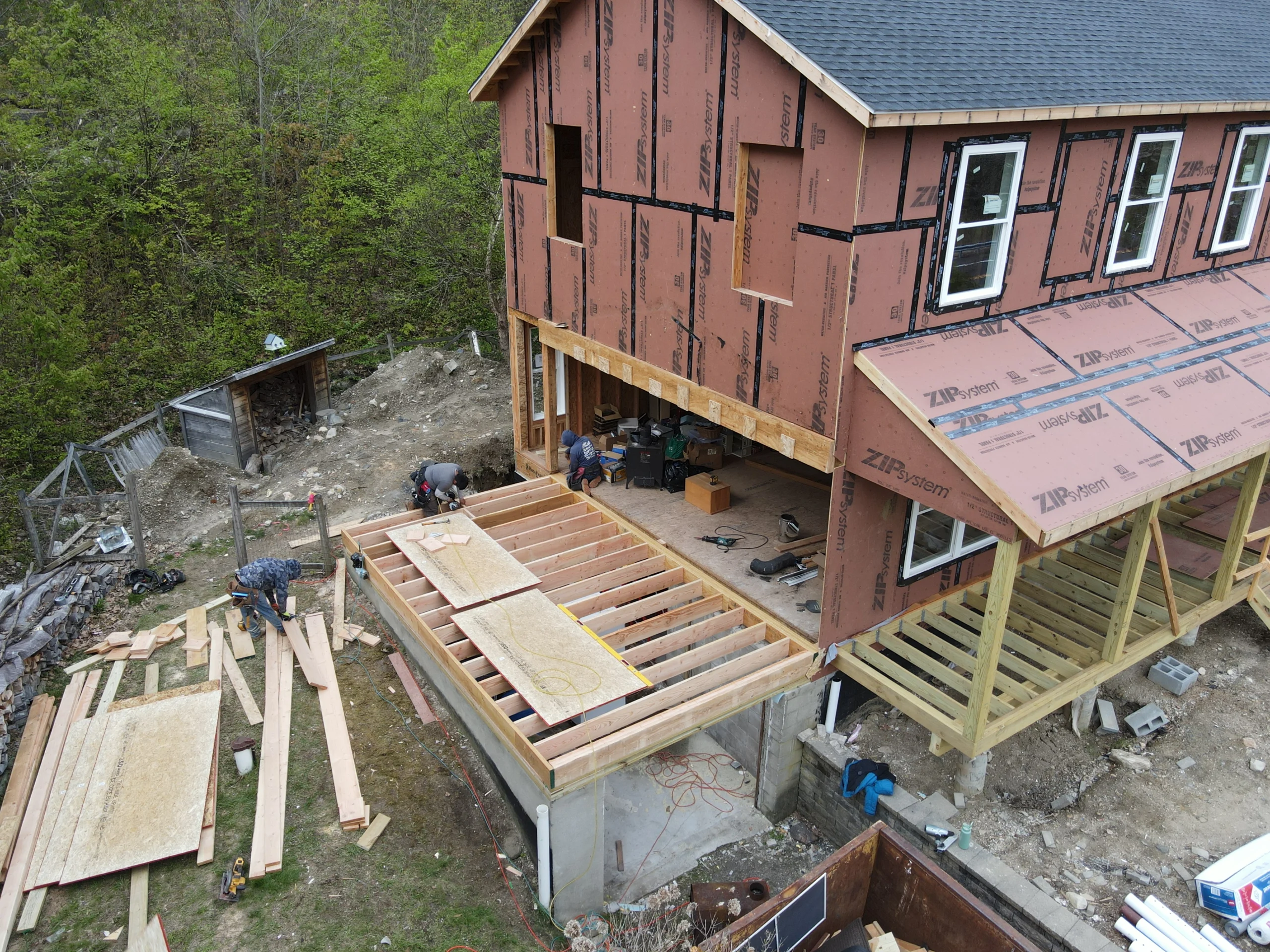
Second-Story Additions
Second-story additions are among the most complex projects for roof integration.
They may involve:
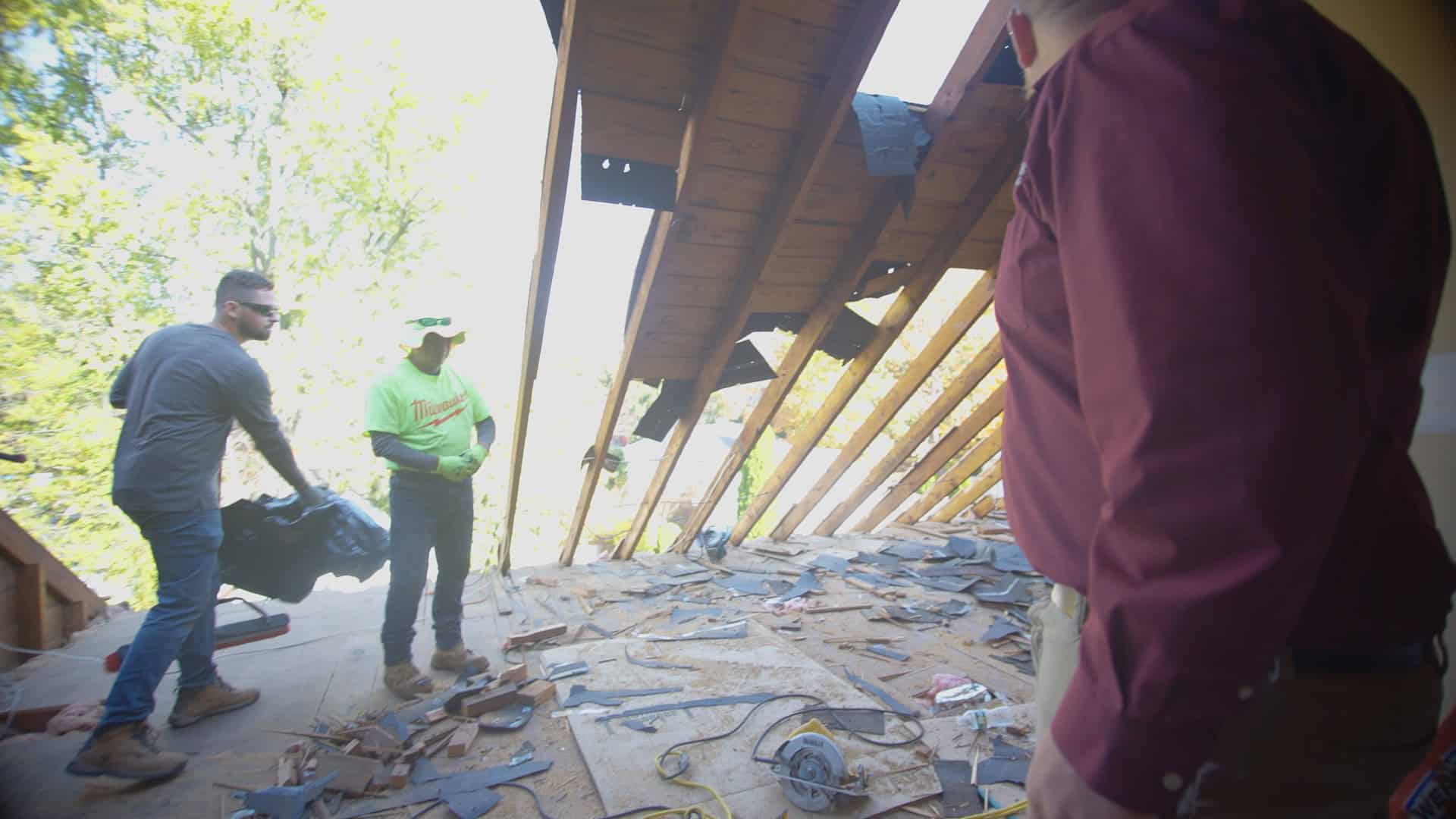
- Removing portions of the existing roof
- Reinforcing the structure
- Reworking stair locations
- Adding dormers
- Rebuilding roof planes
- Adjusting exterior proportions
- Protecting the home during construction
Because the roof becomes such a prominent part of the finished design, second-story additions require careful planning from the beginning.
CONNECTICUT HOMES
What Makes Roof Integration Unique in Connecticut?
Connecticut’s residential architecture is varied, and that variety makes roof integration especially important.
A home addition in Connecticut may involve an older colonial, a compact cape, a mid-century ranch, a large custom home, a wooded property, or a residence with previous additions. Each type of home requires a different design response.
Several Connecticut-specific factors often influence roof integration.
Older Homes Often Require Extra Evaluation
Many Connecticut homes have been renovated over time. Some have previous additions, older framing, or roof structures that do not match current construction methods.
Before a new addition is designed, the existing conditions should be understood. This may include reviewing framing, roof structure, water management, insulation, ventilation, and how previous work was completed.
Architectural Character Matters
Connecticut homeowners often care deeply about preserving the character of their homes. A new addition should enhance that character rather than compete with it.
Rooflines, trim, window proportions, and exterior materials all contribute to that outcome.
Weather and Drainage Matter
Connecticut’s seasons make roof performance important. Rain, snow, freeze-thaw cycles, and winter conditions all place demands on the roof system.
A roof that looks attractive but drains poorly can create maintenance concerns. A thoughtful design should consider both appearance and performance.
Larger Homes Require Careful Proportioning
On larger homes, roof design can become more complex. The addition must feel appropriately scaled to the existing structure without overwhelming it.
This is where a careful design-build process can help. The team can evaluate the addition from both architectural and construction perspectives before moving forward.
Outdoor Living Spaces Can Influence the Roofline
Many Connecticut homeowners have invested in patios, pools, decks, covered porches, outdoor kitchens, and landscaped areas.
An addition may need to connect to these outdoor spaces or preserve views from inside the home. Roof design can influence covered areas, sightlines, natural light, and how the interior connects to the exterior.
DESIGN-BUILD
Why Design-Build Works Well for Roof Integration
Roof integration requires more than drawing rooflines on paper.
It requires understanding how architecture, structure, water management, materials, budget, and construction sequencing all work together.
A design-build approach is well suited to this challenge because designers, estimators, project managers, and construction professionals collaborate early. That means potential roof integration issues can often be identified before construction begins.
The team can evaluate:
- Existing structure
- Load paths
- Roof pitch and height
- Drainage
- Material transitions
- Exterior proportions
- Interior ceiling goals
- Construction access
- Weather protection
- Budget implications
- Long-term performance
This coordinated planning helps homeowners make informed decisions. It also reduces the chance that a beautiful interior plan creates an exterior problem later.
For investment-level remodeling, this kind of coordination is essential.
COST
Budget and Roof Integration
Roof complexity can influence the cost of an addition.
A simple roof extension may be more straightforward than a design involving multiple intersections, dormers, valleys, structural modifications, or custom exterior detailing. Matching premium materials or correcting existing roof issues may also affect the investment level.
That does not mean homeowners should avoid thoughtful roof design. In many cases, investing in proper integration helps protect the value and appearance of the home.
The key is to understand the relationship between roof design and budget early.
A design-build process helps homeowners compare options with more clarity. The team can explain where complexity adds value, where it creates unnecessary cost, and where a simpler design may actually produce a better result.
MISTAKES
Common Roof Integration Mistakes Homeowners Should Avoid
Roof integration is too important to leave until late in the process. Avoiding these common mistakes can help homeowners plan a stronger addition.
Prioritizing Square Footage Over Architecture
The largest addition is not always the best addition. A smaller, better-integrated addition may improve the home more than a larger addition that feels out of proportion.
Designing the Interior First
Interior function matters, but the exterior should be considered at the same time. A floor plan that ignores roof design may create awkward massing, blocked windows, or complicated drainage.
Ignoring Existing Roof Conditions
Older roofing systems, previous renovations, framing limitations, and current roof condition can all affect how the addition should connect.
Treating Drainage as a Detail
Water management is central to roof performance. Valleys, gutters, slopes, and intersections should be planned carefully.
Matching Materials Without Matching Proportions
Using the same shingles or siding does not automatically make an addition feel integrated. Proportions, roof pitch, window placement, and trim details matter just as much.
Choosing a Team That Focuses Only on Construction
A successful addition requires both design judgment and construction expertise. Roof integration is where those disciplines need to meet.
FAQS
FREQUENTLY ASKED QUESTIONS
Why is roof integration important for a home addition?
Roof integration affects how the addition looks, how it connects structurally, how water drains, and whether the new space feels like a natural part of the existing home. A well-integrated roof supports both appearance and long-term performance.
When should roof design be considered in a home addition?
Roof design should be considered early in the planning process, alongside floor plans, structure, budget, and exterior design. Waiting until after the layout is finalized can create awkward rooflines or expensive revisions.
Can an addition match my existing roof?
In many cases, the goal is to create an addition that feels architecturally consistent with the existing home. That may mean matching roof pitch, materials, overhangs, trim details, and proportions, or designing a complementary roofline that feels intentional.
Does roof integration affect the cost of an addition?
It can. More complex roof structures, structural modifications, drainage details, and material transitions may affect investment level. However, thoughtful roof planning can help avoid costly corrections later.
Are second-story additions more complicated for roof integration?
Yes. Second-story additions often involve removing or reworking portions of the existing roof, evaluating structural support, reconfiguring rooflines, and coordinating exterior proportions carefully.
What problems can poor roof integration cause?
Poor roof integration can lead to awkward exterior proportions, drainage problems, water concentration areas, maintenance concerns, reduced curb appeal, and an addition that looks visibly disconnected from the original home.
Why does design-build help with roof integration?
Design-build connects architectural planning with construction expertise from the beginning. This helps the team evaluate structure, framing, drainage, materials, budget, and construction sequencing before the project moves too far forward.
PLANNING MATTERS
The Difference Between an Addition and an Integrated Addition
Anyone can add square footage. The real challenge is creating new space that feels like it belongs.
Roof integration is one of the most important parts of that work. It shapes how the addition looks, how it performs, and how naturally it connects to the original home.
For Connecticut homeowners planning a substantial addition, roof design should be part of the earliest planning conversations. It should be evaluated alongside layout, budget, structure, materials, site conditions, and long-term goals.
At Fine Home Contracting, roof integration is considered from the beginning of the design-build process. By evaluating structure, aesthetics, functionality, and construction together, we help homeowners create additions that feel cohesive, architecturally consistent, and carefully built.
If you are considering a home addition in Connecticut, Fine Home Contracting can help you think through how the new space will connect to your home, inside and out, so the finished project feels thoughtfully designed from every angle.
SCHEDULE A CONSULTATION
READY TO TRANSFORM YOUR HOME?
After you submit, our team will reach out within 1 business day to schedule a call and discuss your goals.
SCHEDULE A CONSULTATION
READY TO TRANSFORM YOUR HOME?
After you submit, a member of our team will reach out within 1 business day to discuss your goals.
FINE HOME CONTRACTING
Luxury Design-Build Services
About the Author: David Perrotti