7 min read
What Is the First Step of a Home Addition in Southbury, CT? UNDERSTANDING ZONING & SETBACKS
June 4, 2026
Many Southbury homeowners reach a point where they love their home but need it to function differently. Perhaps the kitchen no longer supports how the family entertains. Maybe the primary bedroom is located on the second floor and long-term accessibility has become a consideration. Some homeowners want additional space for visiting family, multigenerational living, or a dedicated home office.
In many cases, moving is not the preferred solution. Homeowners appreciate Southbury’s established neighborhoods, larger properties, and quality of life. Rather than searching for a new house, many choose to invest in the one they already own.
Before discussing floor plans, room layouts, or design ideas, however, there is an important first step. The first step of a successful home addition in Southbury is understanding what your property can support.
Before investing in architectural plans or detailed design work, homeowners should evaluate zoning requirements, setbacks, site conditions, and property constraints. These factors determine what is feasible and create the foundation for every decision that follows.
FIRST STEPS
Why the First Step Is Not Design
One of the most common misconceptions about home additions is that the process begins with floor plans. While design is an important part of the journey, successful projects begin with understanding the property itself.
A homeowner may envision a large primary suite addition or an expanded family room, only to discover later that setbacks, septic systems, wetlands, or other site conditions limit the available building area. Starting with feasibility first helps avoid costly redesigns and creates a more efficient planning process.
EDUCATION
Understanding Zoning Requirements in SOUTHBURY
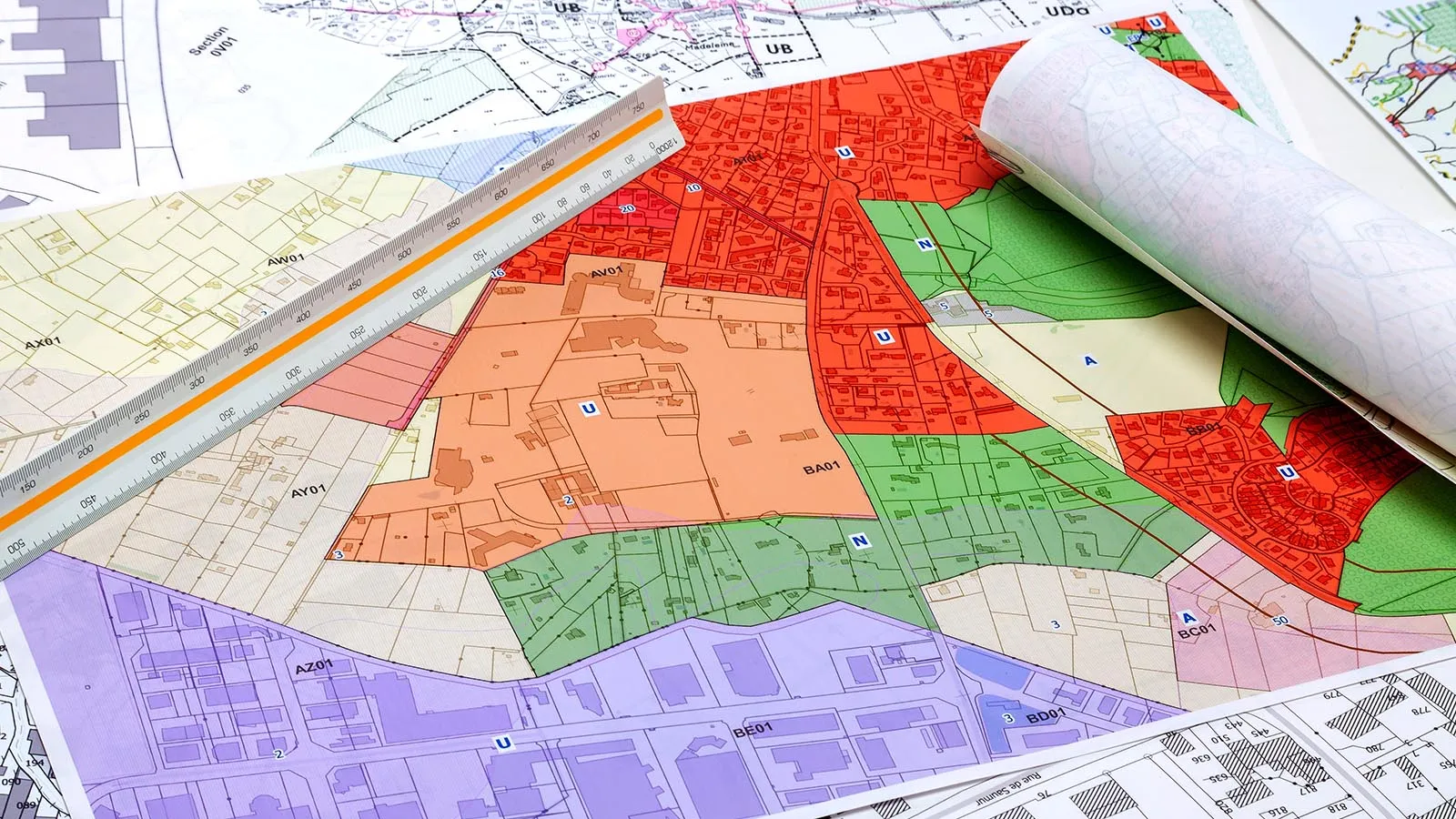
Every residential property in Southbury is governed by zoning regulations that influence what can be built.
Depending on the property’s zoning district, these regulations may affect:
- Addition placement
- Building size
- Building height
- Lot coverage
- Front setbacks
- Side setbacks
- Rear setbacks
- Accessory structures
Understanding these requirements early allows homeowners to move forward with realistic expectations and a clearer understanding of what is possible.
EDUCATION
What Are Setbacks?
Setbacks are minimum required distances between structures and property boundaries. These regulations create the buildable envelope of the property and help determine where an addition can legally be constructed.
The primary setback categories include:
- Front Yard Setback The minimum distance between the home and the street.
- Side Yard Setback The required separation between structures and neighboring properties.
- Rear Yard Setback The minimum distance between the home and the rear property line.
Even on larger Southbury lots, setbacks often play a major role in determining the size and location of an addition.
EDUCATION
Why Property Size Doesn’t Tell the Whole Story
Many Southbury homes sit on generous parcels of land. At first glance, homeowners often assume there is plenty of room to build.
However, available yard space is only one factor. Several additional considerations may influence the project.
- Septic Systems Many Southbury properties rely on septic systems. The location of the septic tank and leaching fields can affect where additions may be constructed and may influence future planning decisions.
- Wetlands and Environmental Constraints Southbury’s natural landscape is one of the reasons many homeowners love living there. However, wetlands and regulated areas can impact development opportunities on certain properties.
- Topography Sloping lots, drainage patterns, and elevation changes may influence foundation design, grading requirements, and overall project costs.
- Existing Site Improvements Pools, patios, driveways, and outdoor living areas can also affect addition placement.
Understanding these conditions before design begins creates a more predictable process.
WHY?
Why More SOUTHBURY Homeowners Are Choosing to Add On Instead of Move
Over the past several years, many Connecticut homeowners have discovered that moving may not solve all of their challenges. Even when a larger home is available, moving often means:
- Leaving a neighborhood they enjoy
- Giving up a desirable lot
- Paying significantly more for a similar home
- Compromising on location
For many families, investing in their existing property becomes the more attractive option. A thoughtfully planned addition allows homeowners to create the space they need while preserving everything they already love about their home and community.

DESIGN-BUILD
Why Design-Build Works Well for Home Additions
A luxury addition requires coordination among many moving parts.
Successful projects involve:
- Property evaluation
- Zoning review
- Design
- Budgeting
- Engineering
- Material selections
- Permitting
- Construction planning
A design-build approach brings these elements together from the beginning. Instead of designing first and pricing later, homeowners receive guidance throughout the planning process that helps align design goals with feasibility and investment expectations.
This often leads to a more predictable experience and fewer surprises.
THE PROBLEM
What Makes Remodeling in Southbury Unique?
Southbury offers a combination of rural charm, larger properties, and established neighborhoods that make it highly desirable for long-term homeownership.
Many homeowners choose to remodel because they value:
- Their neighborhood
- Their property
- The community
- Proximity to family
- Long-term comfort
As a result, additions are often designed not only to create more space but to improve how the home functions for the future.
Aging-in-Place Considerations
Many Southbury homeowners are planning ahead.
Common addition projects include:
- First-floor primary suites
- Expanded bathrooms
- Wider hallways
- Improved accessibility
- Guest accommodations for family members
Thoughtful planning allows homeowners to remain comfortable in their homes for years to come.
Architectural Consistency Matters
The best additions feel connected to the original home.
Careful attention should be paid to:
- Rooflines
- Exterior materials
- Window placement
- Interior flow
- Overall proportions
A successful addition enhances the home rather than appearing separate from it.
MISTAKES
Common Mistakes Homeowners Should Avoid
- Starting with Floor Plans Before Evaluating Property Property research should always come before detailed design work.
- Assuming Larger Lots Have No Restrictions Setbacks, septic systems, wetlands, and site conditions can significantly influence design opportunities.
- Focusing Only on Immediate Needs The most successful additions consider both current and future lifestyle goals.
- Ignoring Architectural Integration Additions should feel like a natural extension of the original home.
- Separating Design from Budget Planning Aligning design and investment expectations early creates a more predictable project.
FAQS
FREQUENTLY ASKED QUESTIONS
What is the first step of a home addition in Southbury?
The first step is evaluating zoning requirements, setbacks, site conditions, and overall property feasibility before beginning design.
Can my septic system affect where an addition can be built?
Yes. Septic system locations often influence addition placement and should be reviewed early in the planning process.
Do wetlands affect home additions?
In some cases, yes. Wetlands and regulated areas may influence development opportunities on certain properties.
How long does it take to plan a home addition?
Design, permitting, engineering, and selections often require several months before construction begins.
Why should zoning be reviewed before design?
Understanding property constraints first helps avoid redesigns and unexpected costs later in the process.
What are the benefits of design-build remodeling?
Design-build creates a coordinated process that aligns design, budgeting, estimating, selections, and construction from the beginning.
PLANNING MATTERS
The Right Addition Starts with the Right Foundation
The most successful home additions begin with understanding the property before designing the project.
By evaluating zoning requirements, setbacks, septic systems, wetlands, and long-term goals early in the process, homeowners can make informed decisions that lead to better outcomes and fewer surprises.
At Fine Home Contracting, our design-build process begins with careful planning and feasibility analysis so homeowners can confidently move forward with a clear understanding of what is possible. The result is a more thoughtful process, a smoother experience, and an addition that feels like a natural extension of the home.
If you are considering a substantial home addition in Southbury, CT, Fine Home Contracting can help you evaluate your property’s opportunities and navigate the design-build process with clarity from the very beginning.
SCHEDULE A CONSULTATION
READY TO TRANSFORM YOUR HOME?
After you submit, our team will reach out within 1 business day to schedule a call and discuss your goals.
SCHEDULE A CONSULTATION
READY TO TRANSFORM YOUR HOME?
After you submit, a member of our team will reach out within 1 business day to discuss your goals.

FINE HOME CONTRACTING
Luxury Design-Build Services
About the Author: David Perrotti