7 min read
What Is the First Step of a Home Addition in GLASTONBURY, CT?
June 4, 2026
Many homeowners begin thinking about a home addition when their house no longer fits the way they live.
Perhaps the kitchen feels too small for entertaining. Maybe a growing family needs additional bedrooms. Some homeowners want a first-floor primary suite, while others need a dedicated home office or expanded living space.
Once the decision to add onto the home is made, most people immediately start thinking about floor plans, room sizes, and design ideas.
However, the first step of a successful home addition in Glastonbury is not selecting finishes or drawing floor plans.
The first step is understanding what can actually be built on the property.
Before investing in architectural plans or design work, homeowners should review zoning requirements, setbacks, and site constraints. These factors often determine the size, placement, and feasibility of an addition long before construction begins.
FIRST STEPS
Why Zoning Comes Before Design
One of the most common mistakes homeowners make is falling in love with a design before confirming that it can be built.
A homeowner may envision a large rear addition with expansive glass overlooking the backyard, only to discover later that setback requirements limit how far the addition can extend. At that point, redesign becomes necessary.
A better approach is to start with zoning and site analysis. Once the property’s opportunities and limitations are understood, the design can be developed with confidence. This creates a more efficient planning process and helps avoid unnecessary expenses.
EDUCATION
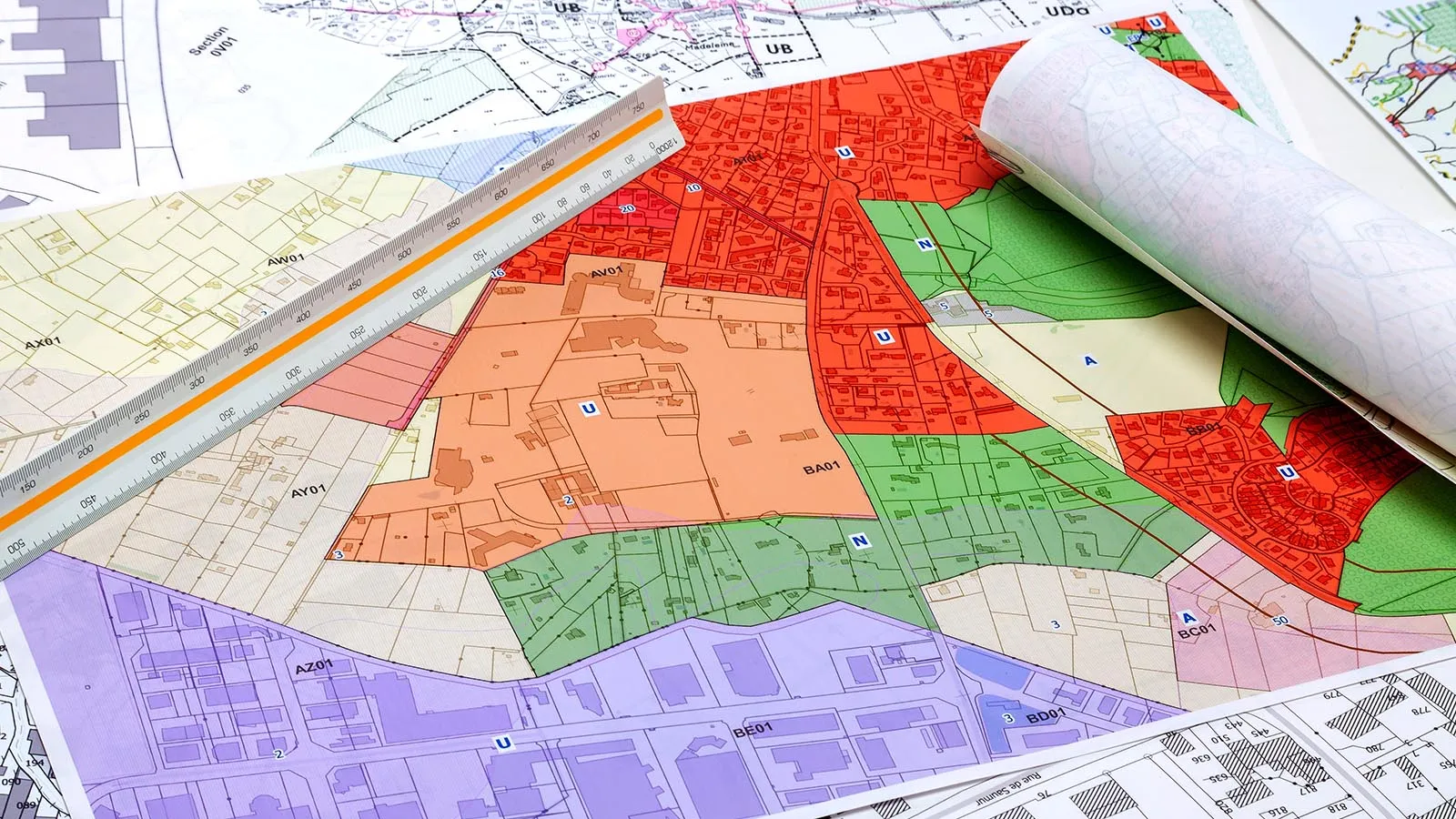
Understanding Zoning in Glastonbury
Every residential property in Glastonbury falls within a zoning district that establishes development standards.
These regulations help determine:
- Where additions can be located
- Maximum building dimensions
- Lot coverage limitations
- Building height restrictions
- Setback requirements
- Special site considerations
Because zoning regulations vary by district, two seemingly similar properties may have very different development opportunities.
This is why every addition project should begin with a zoning review.
EDUCATION
What Are Setbacks?
Setbacks are minimum required distances between a structure and property lines. These regulations create a buildable area within the lot where additions may be permitted. The three primary setback categories include:
- Front Yard Setback The minimum distance between the home and the street.
- Side Yard Setback The required separation between structures and neighboring properties.
- Rear Yard Setback The minimum distance between the home and the rear property line.
Understanding these requirements is critical because setbacks often dictate the maximum footprint available for a home addition.
EDUCATION
Why Setbacks Matter More Than Most Homeowners Realize
Many luxury additions involve significant square footage.
Common projects in Glastonbury include:
- Expanded kitchens
- Great room additions
- First-floor primary suites
- In-law accommodations
- Mudroom and garage expansions
- Home offices
- Multi-room additions
While homeowners often focus on how much space they would like to add, setbacks determine how much space can realistically be added. Reviewing these requirements early allows the design team to maximize the property’s potential while remaining compliant with local regulations
WHY?
The Design-Build Process Starts with Feasibility
At Fine Home Contracting, the planning phase begins with understanding the property itself.
Before detailed design work begins, we evaluate:
- Zoning requirements
- Setback restrictions
- Existing conditions
- Site limitations
- Utility considerations
- Budget goals
- Architectural opportunities
This feasibility-first approach helps create realistic expectations and reduces the likelihood of significant design revisions later in the process.
DESIGN-BUILD
The Design-Build Advantage
At Fine Home Contracting, the planning phase begins with understanding the property itself.
Before detailed design work begins, we evaluate:
- Zoning requirements
- Setback restrictions
- Existing conditions
- Site limitations
- Utility considerations
- Budget goals
- Architectural opportunities
This feasibility-first approach helps create realistic expectations and reduces the likelihood of significant design revisions later in the process.
THE PROBLEM
What Makes Home Additions in Glastonbury Unique?
Glastonbury offers some of Connecticut’s most desirable residential neighborhoods.
The town features a mix of:
- Historic homes
- Traditional colonials
- Contemporary custom homes
- Larger residential properties
- Established neighborhoods with strong property values
Many homeowners choose to invest in additions rather than move because they value their location, schools, neighborhood character, and lot size. At the same time, Glastonbury presents several unique planning considerations.
Older Homes Often Require Infrastructure Updates
Many homes were built decades ago and may require:
- Electrical upgrades
- Structural modifications
- Mechanical system improvements
These updates are often best addressed during the addition process.
Topography Can Influence Design
Many Glastonbury properties feature slopes, walk-out basements, or changing grades that can affect foundation design and project costs.
Architectural Consistency Matters
The most successful additions feel like they have always been part of the original home.
Rooflines, window proportions, materials, and interior flow should be carefully considered to create a cohesive result.
WHAT ELSE?
Beyond Zoning: Other Factors That Affect Addition Planning
Once zoning requirements have been reviewed, several other considerations influence the final design.
- Septic Systems Properties served by septic systems may require additional evaluation depending on the scope of the project.
- Wetlands Some properties include wetlands or regulated areas that affect development options.
- Existing Structural Conditions The current home’s framing and foundation can impact design decisions.
- Budget Alignment The best projects balance vision, investment, and long-term value from the beginning.
MISTAKES
Common Mistakes Homeowners Should Avoid
- Designing Before Reviewing Zoning This often leads to revisions that could have been avoided.
- Prioritizing Square Footage Over Layout A thoughtful floor plan frequently creates more value than simply adding more space.
- Underestimating Planning Time Successful additions require careful coordination between design, permitting, selections, and construction.
- Ignoring Architectural Integration An addition should enhance the home rather than appear disconnected from it.
- Choosing a Process Instead of a Team A successful addition depends on having experienced professionals guiding decisions from the earliest planning stages.
FAQS
FREQUENTLY ASKED QUESTIONS
What is the first step of a home addition in Glastonbury?
The first step is reviewing zoning regulations, setbacks, and site conditions to determine what can be built on the property.
Can I build an addition anywhere on my lot?
No. Local zoning regulations establish setbacks and other limitations that define the buildable area.
How long does it take to plan a home addition?
Design, permitting, engineering, and selections often take several months before construction begins.
Does every addition require permits?
Yes. Most additions require building permits and review by local authorities.
What is the benefit of design-build remodeling?
Design-build provides a coordinated approach where design, budgeting, estimating, selections, and construction are managed together.
Can zoning restrictions affect project costs?
Yes. Property constraints may influence the size, location, and complexity of the addition.
PLANNING MATTERS
The Right First Step Creates a Better Project
The most successful home additions begin with a clear understanding of what the property can support.
Before discussing room layouts, finishes, or square footage, homeowners should understand their zoning requirements, setbacks, and site conditions. This creates a strong foundation for every decision that follows.
At Fine Home Contracting, our design-build process begins by evaluating feasibility first so that design, budgeting, and construction planning can move forward with confidence. The result is a more predictable process, fewer surprises, and a finished addition that feels like a natural extension of your home.
SCHEDULE A CONSULTATION
READY TO TRANSFORM YOUR HOME?
After you submit, our team will reach out within 1 business day to schedule a call and discuss your goals.
SCHEDULE A CONSULTATION
READY TO TRANSFORM YOUR HOME?
After you submit, a member of our team will reach out within 1 business day to discuss your goals.

FINE HOME CONTRACTING
Luxury Design-Build Services
About the Author: David Perrotti