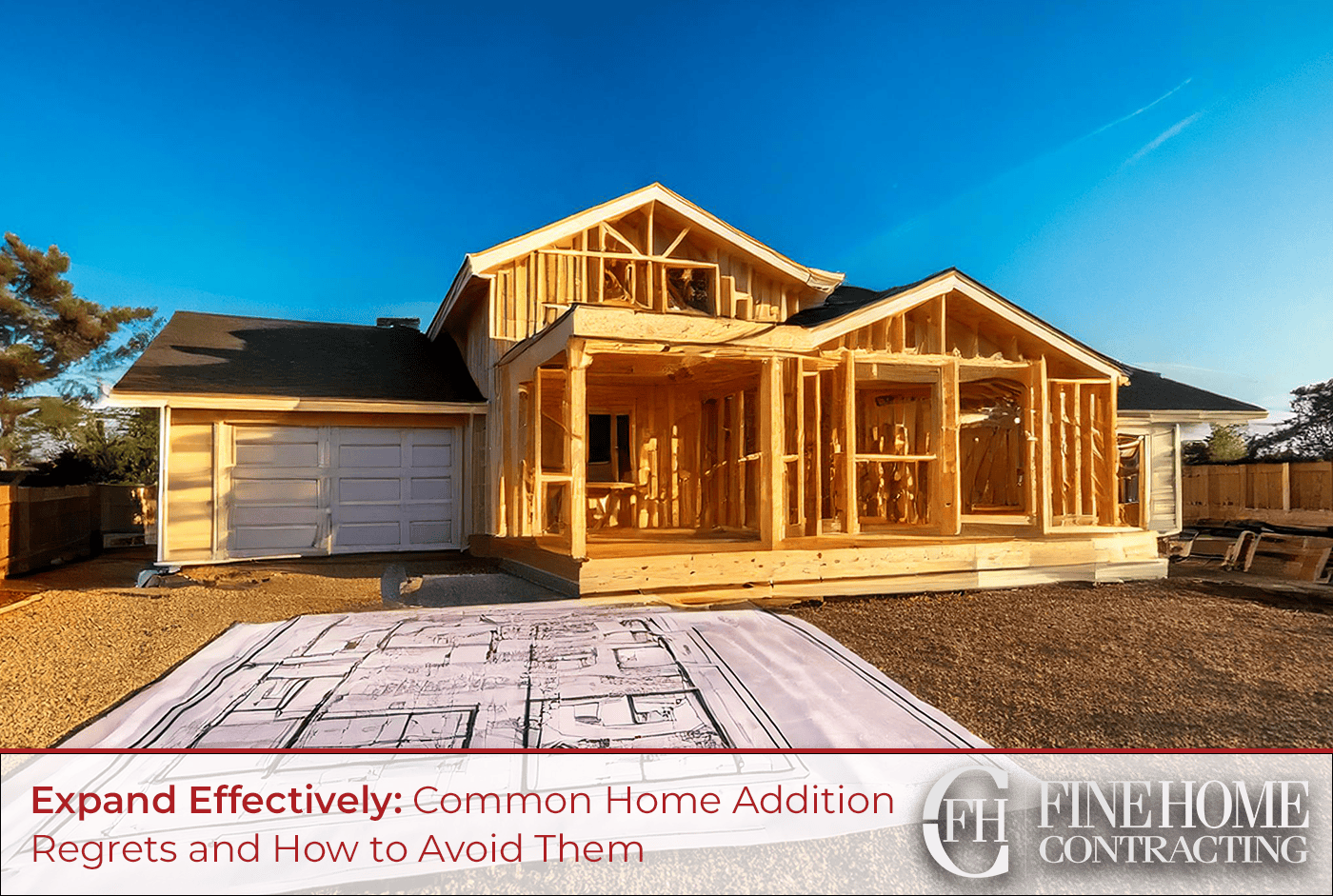
Planning a home addition can be one of the most exciting yet overwhelming experiences for homeowners. There’s no home improvement project that is as transformative, or as great of an opportunity to add function and space to your home. However, many homeowners later regret decisions they made during the process, whether due to rushing to finish, being uninformed, or just not having experienced contractors and designers along for the ride. In this guide, we’ll cover the most common regrets and provide practical tips on how to avoid them, ensuring your addition project adds long-term value and satisfaction to your home.
1. Plan for Long-Term Needs
One of the biggest mistakes homeowners make is focusing only on their immediate needs. A well-thought-out addition should serve your lifestyle now and in the future. Whether you’re planning for a growing family, aging in place, or even accommodating multi-generational living, designing with flexibility in mind is essential.
Pro Tip: Consider creating adaptable spaces that can evolve as your needs change. For example, a playroom can later serve as a home office or guest bedroom.
2. Balancing Budget and Quality
Sticking to a budget is important, but cutting corners can lead to long-term dissatisfaction. Many homeowners regret choosing cheaper materials or skipping key features, like high-quality flooring or additional storage.
While opting for lower-cost materials like LVP (luxury vinyl plank) might save money now, you may find yourself wishing you had chosen hardwood down the line.
Pro Tip: Invest in high-quality finishes that offer durability and timeless appeal. Features like energy-efficient windows or sustainable building materials can also save you money in the long run through lower utility bills and fewer repairs.
3. Customizing for Your Lifestyle
Under-customizing is another common regret. Following trends or designing primarily for resale value can leave your home feeling generic and neutral, often giving the feeling of being in a hotel.
It’s also important to consider that remodels tend not to increase resale value as much as some expect, and while additions are a better route for resale value, it’s worth considering how long you’ll spend in the home: personalizing your space to suit your lifestyle ensures you’ll get the most enjoyment out of it.
Pro Tip: Don’t be afraid to add features that reflect your passions, like a home gym, hobby room, or wine cellar. These spaces can offer daily enjoyment and still add value to your home if designed thoughtfully.
4. Overinvesting in Energy Efficiency and Sustainability
However, most of these technologies, especially solar panels, take some time to become financially worthwhile, so if you’re planning on moving it may be worth holding off.
Pro Tip: Consider features like energy-efficient windows, smart home systems, and sustainable building materials that offer long-term savings and make your home more comfortable in the meantime. This added value can be the difference between a remodel feeling worthwhile or not.
5. Take Your Time and Manage the Timeline
Rushing through a home addition can lead to costly mistakes and regrets. Often, homeowners feel pressured to finish quickly, leading them to sacrifice key design elements. Taking the time to plan thoroughly and set realistic expectations ensures you’ll love the finished product.
Pro Tip: Remember that good things take time. Whether it’s waiting for permits or custom orders, patience is key to ensuring a successful outcome. Skimping on time can cause you to overlook details that could make a big difference in the end.
FAQs: Common Questions to Keep in Mind
- What permits do I need? Always check local regulations early in the planning process to avoid delays. If you’re using a general contractor, this should absolutely be handled for you, but it’s worth double checking that permits have been pulled regardless.
- How can I make sure my addition blends with the rest of the house? Use complementary materials and designs to maintain cohesion. In cases where materials on the existing home have aged, such as brick or wood, matching the original color and leaving nature to do it’s work is sometimes the best option.
- How do I manage a remodeling project while living at home? Ideally, we recommend homeowners find temporary accommodations whenever possible for additions. They’re larger and more invasive than standard remodels. Clear communication with your contractor and a solid project timeline can minimize disruptions.
Further Reading + Other Home Addition Blogs:

Why Roof Integration Matters for a Home Addition in Avon, Connecticut
By David Perrotti|2026-06-22T20:35:36+00:00June 22nd, 2026|Categories: Avon CT, Home Additions|Tags: architectural integration, Avon CT, Connecticut remodeling, design-build, home additions, residential additions, roof design, roof integration, rooflines, second-story additions|
Mini-Guide: Common Home Addition Regrets and How to Avoid Them
By David Perrotti|2024-10-21T19:19:48+00:00October 21st, 2024|Categories: Home Additions|
How Much Does It Cost to Add a Second Story in Connecticut?
By David Perrotti|2024-08-09T19:31:47+00:00August 7th, 2024|Categories: Home Additions, Home Improvement Contractor, Home Maintenance|
Should I Get a Home Addition if I Plan on Moving?
By David Perrotti|2024-07-12T18:03:40+00:00July 12th, 2024|Categories: Home Additions, Home Improvement Contractor, Home Remodeling|
Second-Floor Additions: Full Story vs. Dormer vs. Attic Conversion
By David Perrotti|2025-06-25T21:06:38+00:00July 8th, 2024|Categories: Home Additions, Home Improvement Contractor, Home Maintenance, Home Remodeling, Interior Design, Investment Properties|
Navigating Housing Challenges: Best Home Additions for Aging Parents and Adult Children
By David Perrotti|2024-06-11T12:45:32+00:00June 10th, 2024|Categories: Home Additions, Home Improvement Contractor, Home Remodeling, In-Law Suites, Uncategorized|