7 min read
LUXURY HOME ADDITIONS IN AVON, CT Why Zoning and Setbacks Should Be the First Step
June 4, 2026
For many Avon homeowners, the decision to build an addition begins with a need for more space. Perhaps your family is growing, you’re working from home more often, or your current layout no longer supports how you live.
The natural instinct is to start sketching ideas. Homeowners often begin by imagining a larger kitchen, a first-floor primary suite, a family room addition, or expanded living space overlooking their property.
While those conversations are important, the first step in any successful luxury home addition in Avon is not choosing finishes or creating floor plans.
The first step is determining what can legally and practically be built on the property.
Before investing in design work, it is important to understand your property’s zoning requirements, setback restrictions, and buildable area. These factors often determine the size, placement, and feasibility of an addition long before construction begins.
THE PROBLEM
Why Many Homeowners Start in the Wrong Place
One of the most common mistakes homeowners make is designing an addition before understanding zoning requirements.
A homeowner may envision a 1,000-square-foot addition extending into the backyard only to discover later that setback restrictions limit construction within a certain distance from the property lines.
At that point, significant redesign may be necessary.
A thoughtful design-build process begins by identifying the constraints first, then creating a design that maximizes the opportunities within those parameters. This approach saves time, reduces frustration, and helps establish realistic expectations from the beginning.
EDUCATION
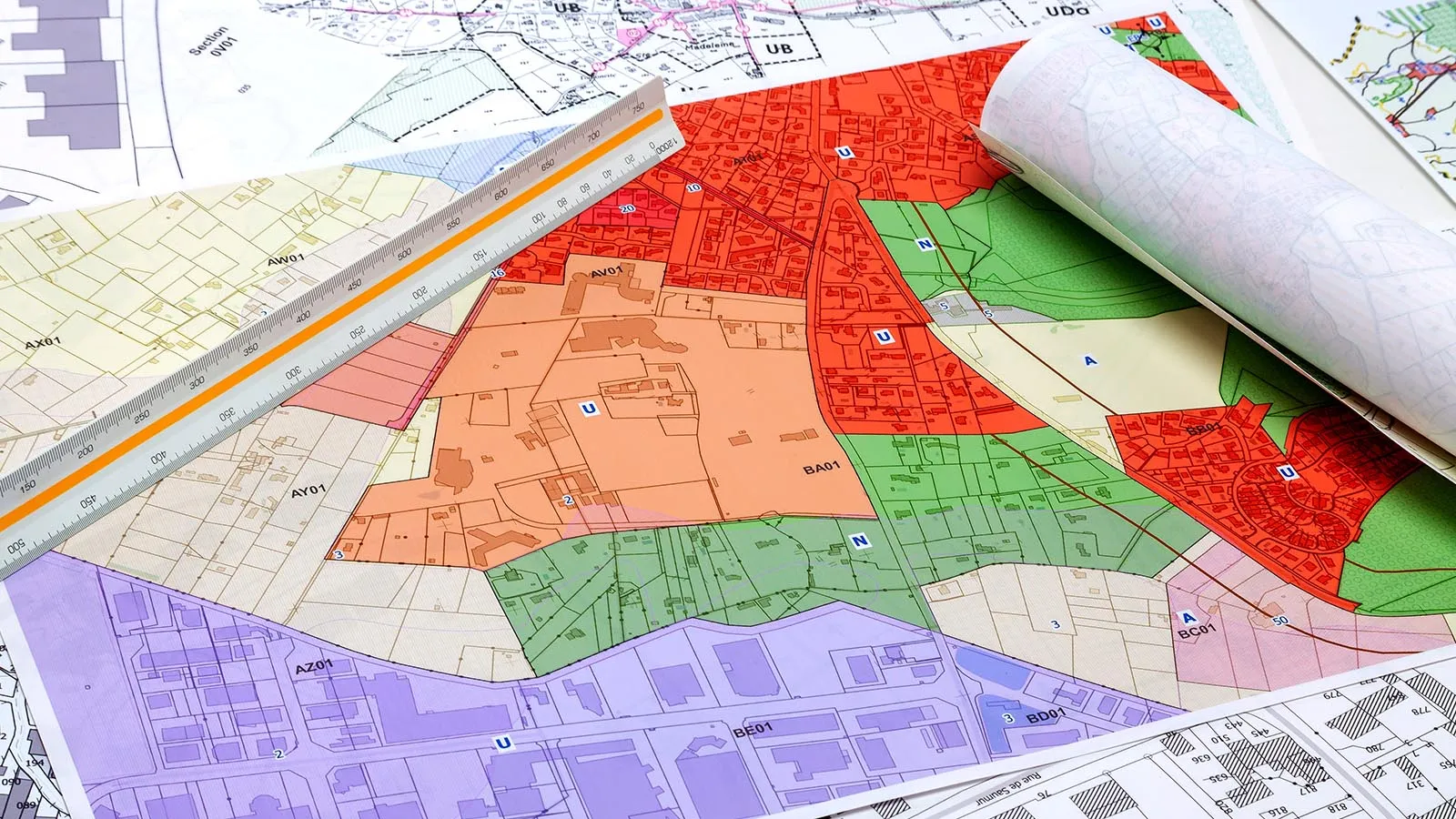
Understanding Zoning in Avon, Connecticut
Zoning regulations help determine how land can be used and what can be built on a particular property.
In Avon, residential properties fall within specific zoning districts, each with its own requirements related to:
- Front yard setbacks
- Rear yard setbacks
- Side yard setbacks
- Building coverage limitations
- Height restrictions
- Lot size requirements
- Accessory structures
The zoning district assigned to your property can have a significant impact on the type of addition that is possible.
Two homes on neighboring streets may have very different development limitations depending on lot size, zoning classification, wetlands, easements, or previous approvals.
This is why every addition project should begin with a zoning review.
EDUCATION
What Are Setbacks?
Setbacks are the required distances between a structure and the property’s boundaries. Think of setbacks as invisible building lines that establish where construction is allowed. Typical setbacks include:
- Front Setback The minimum distance between the house and the street.
- Side Setback The required distance between the home and neighboring properties.
- Rear Setback The required distance between the home and the rear property line.
When planning an addition, these setback requirements often determine the maximum footprint available for construction. Even on larger Avon properties, setbacks can significantly influence the shape and placement of an addition.
EDUCATION
Why Setbacks Matter for Luxury Additions
Many luxury additions involve substantial square footage and often include features such as:
- Expanded kitchens
- Great rooms
- First-floor primary suites
- In-law suites
- Three-season rooms
- Home offices
- Garage additions
- Second-story expansions
The larger the addition, the more important it becomes to understand the property’s buildable envelope. Without a clear understanding of setbacks, homeowners risk spending money on plans that may require major revisions later.
At Fine Home Contracting, we typically evaluate zoning requirements before significant design work begins so that the design process starts from a realistic foundation.
DESIGN-BUILD
The Design-Build Advantage
One of the benefits of a design-build approach is that zoning, budgeting, design, and construction are considered together from the beginning.
Rather than hiring separate professionals who work independently, the design-build process creates a coordinated approach where decisions are evaluated through multiple lenses at the same time.
For example:
- Is the addition permitted within setbacks?
- Does it fit the homeowner’s investment goals?
- Is the design architecturally consistent with the existing home?
- Are structural modifications required?
- How will construction impact the family during the project?
Addressing these questions early creates a smoother process and helps avoid costly surprises.

THE PROBLEM
What Makes Remodeling in Avon Unique?
Avon offers many advantages for homeowners considering substantial additions.
The town features:
- Larger residential lots
- Established neighborhoods
- High-quality housing stock
- Strong property values
- Attractive rural and suburban character
Many homes were built between the 1970s and early 2000s and are excellent candidates for thoughtful additions and renovations.
However, Avon projects often require careful consideration of:
- Topography
- Septic systems
- Wetlands
- Drainage
- Neighborhood character
- Zoning regulations
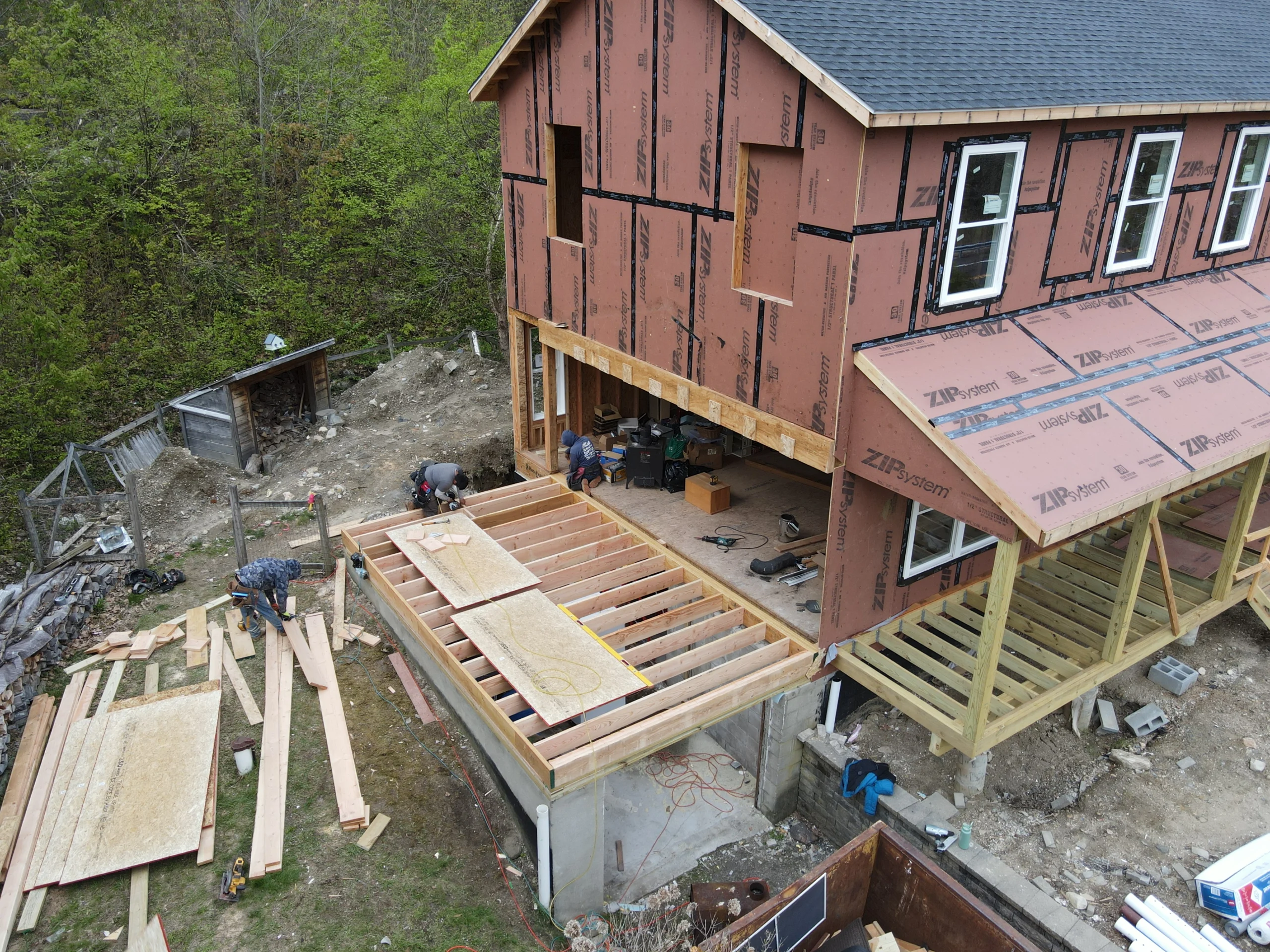
A successful addition should feel integrated with the existing home rather than appearing as an obvious afterthought. The best projects respect both the architecture of the home and the character of the surrounding neighborhood.
WHAT ELSE?
Beyond Zoning: Other Factors That Affect Addition Feasibility
Once zoning requirements are understood, several additional factors influence the final design.
- Existing Structure The existing home’s framing, foundation, and roof structure may impact design options.
- Septic Capacity Many Connecticut properties rely on septic systems, which may require evaluation when expanding living space.
- Wetlands and Site Constraints Wetlands and drainage considerations can affect where construction can occur.
- Budget Alignment Understanding investment levels early helps ensure the design aligns with the homeowner’s goals.
- Architectural Consistency Luxury additions should feel like they were always part of the home.
Material selections, rooflines, window proportions, and interior flow all play important roles in achieving a cohesive result.
MISTAKES
Common Mistakes Homeowners Should Avoid
- Designing Before Understanding Zoning Always determine what can be built before investing heavily in design.
- Focusing Only on Square Footage The quality of the layout is often more important than the amount of space added.
- Ignoring Site Constraints Slope, drainage, septic systems, and wetlands can significantly impact design options.
- Choosing the Lowest Bid Complex additions require coordination, planning, and expertise. The lowest price often fails to account for these realities.
- Treating Design and Construction as Separate Processes When design and construction teams work together from the beginning, projects tend to be more predictable and better coordinated.
FAQS
FREQUENTLY ASKED QUESTIONS
How do I know if I can build an addition on my Avon property?
The first step is reviewing your property’s zoning district, setback requirements, and site conditions to determine the available buildable area.
Can I build into a setback area?
In some situations, zoning variances may be possible, but approvals are not guaranteed and should not be assumed during initial planning.
How long does it take to plan a luxury home addition?
Design, engineering, permitting, and selections often take several months before construction begins.
Does every addition require zoning review?
Yes. Even relatively straightforward additions should be evaluated against local zoning requirements before design progresses.
Can my septic system affect the addition size?
Potentially. Depending on the project scope, septic capacity may need to be reviewed.
What is the benefit of design-build remodeling?
Design-build creates a more coordinated process by integrating design, estimating, selections, and construction under one team.
How do setback requirements affect home additions in Avon CT?
Setback requirements establish the minimum distance a structure must be located from property lines. These regulations often determine the maximum size and placement of a home addition.
Do I need zoning approval before designing an addition?
While preliminary concepts can be explored, zoning requirements should be reviewed before investing heavily in design work to avoid costly revisions later.
What site conditions can affect a home addition in Avon?
Common factors include wetlands, septic systems, drainage patterns, topography, easements, and existing property improvements.
PLANNING MATTERS
Starting with the Right Foundation
A successful luxury home addition in Avon begins long before construction starts. Before discussing cabinetry, finishes, room layouts, or square footage, homeowners should understand what their property can realistically support. A zoning review provides the foundation for informed decisions and helps ensure that the design process moves forward with clarity.
At Fine Home Contracting, our design-build team has helped Connecticut homeowners navigate complex remodeling projects for more than 20 years. We begin with thoughtful planning and evaluate zoning, site conditions, budgeting, design, permitting, and construction from the start, creating a smoother remodeling experience and additions that feel like a natural extension of the home.
If you are considering a substantial home addition in Avon, CT, Fine Home Contracting can help you evaluate your property’s opportunities, understand zoning considerations, and navigate the design-build process with confidence from the beginning.
SCHEDULE A CONSULTATION
READY TO TRANSFORM YOUR HOME?
After you submit, our team will reach out within 1 business day to schedule a call and discuss your goals.
SCHEDULE A CONSULTATION
READY TO TRANSFORM YOUR HOME?
After you submit, a member of our team will reach out within 1 business day to discuss your goals.

FINE HOME CONTRACTING
Luxury Design-Build Services
About the Author: David Perrotti