7 min read
Renovate or Move in Connecticut? When a Design-Build Remodel Makes More Sense
June 12, 2026
At some point, many Connecticut homeowners find themselves asking the same question:
Should we move, or should we remodel?
Perhaps the kitchen no longer functions the way your family needs it to. Maybe you’re running out of space, working from home more often, or wishing your home had a first-floor primary suite. For some homeowners, the house itself is still appealing, but the layout no longer supports how they live.
Moving may seem like the obvious solution. A larger home, a different floor plan, or a newer property can appear attractive at first glance.
However, many homeowners discover that moving comes with significant financial costs, emotional tradeoffs, and uncertainty. As a result, a growing number of Connecticut families are choosing to invest in their existing homes through thoughtful, design-build remodeling projects.
The right renovation can improve how a home functions, increase comfort, add value, and allow homeowners to remain in the neighborhood and community they already enjoy.
So how do you know whether it makes more sense to move or remodel?
The answer depends on your goals, your home, and your long-term plans.
THE PROBLEM
Why More Connecticut Homeowners Are Choosing to Remodel
Over the past several years, many homeowners have reconsidered whether moving is actually the best solution.
In many Connecticut communities, homeowners have built substantial equity, secured favorable mortgage rates, and established deep connections to their neighborhoods.
At the same time, moving often involves more than simply purchasing another house.
It may mean:
- Higher mortgage payments
- Increased property taxes
- Moving expenses
- Realtor commissions
- Closing costs
- Renovations to the new home
- Leaving a neighborhood you enjoy
For many families, remodeling becomes a way to create the home they want without giving up the location they already love.
WHY?
Signs That Remodeling May Make More Sense Than Moving
Every situation is different, but there are several common indicators that remodeling may be the better option.
You Love Your Location
One of the biggest reasons homeowners choose to renovate is simple: They love where they live.
Whether it is the neighborhood, school district, nearby amenities, privacy, commute, or community connections, location is often difficult to replace. A thoughtful remodeling project allows homeowners to improve the house without sacrificing the aspects of their lifestyle that already work well.
Your Home Has Good Bones
Many Connecticut homes were built with quality craftsmanship and durable materials. Even if the layout feels dated, the underlying structure may provide an excellent foundation for renovation. In many cases, strategic remodeling can dramatically improve functionality without requiring a move.
The Problems Are Functional, Not Location-Based
Sometimes homeowners assume they need a different house when what they actually need is a different layout.
Common frustrations include:
- A small kitchen
- Limited storage
- Lack of a mudroom
- No home office
- Insufficient entertaining space
- Outdated bathrooms
- An inefficient floor plan
These issues can often be addressed through remodeling.
You Plan to Stay Long-Term
If you expect to remain in your home for many years, investing in improvements often becomes easier to justify. A well-designed renovation can provide daily enjoyment while increasing the long-term value and functionality of the property.
ADDITION CHALLENGES
When Moving Might Make More Sense
Remodeling is not always the right answer. There are situations where moving may be the more practical option.
The Property Cannot Support Your Goals
Some homes have limitations that cannot be easily overcome.
Examples may include:
- Insufficient lot size
- Significant zoning restrictions
- Wetlands constraints
- Septic limitations
- Structural challenges
- Location concerns
If the property itself prevents you from achieving your goals, moving may deserve consideration.
You Need a Completely Different Lifestyle
Sometimes the issue is not the home.
Perhaps you want:
- A shorter commute
- More land
- Less maintenance
- Walkability
- A different school district
- Waterfront living
In those situations, a move may better align with your priorities.
The Scope of Work Is Extremely Extensive
There are occasions when the amount of work required approaches the cost of purchasing another property. An honest evaluation of costs, goals, and long-term plans is important before making a decision.
HOW WE CAN HELP
What Types of Remodeling Projects Often Replace the Need to Move?
Many homeowners discover that one major remodeling project can solve the primary reasons they were considering moving in the first place.
Home Additions
A thoughtfully designed addition can create:
- Larger kitchens
- Family rooms
- Primary suites
- Home offices
- Guest accommodations
- In-law suites
Rather than searching for a larger home, homeowners can create the space they need within the property they already own.
Whole-Home Renovations
Some homes have enough square footage but lack functionality.
A whole-home renovation can improve:
- Layout
- Traffic flow
- Storage
- Natural light
- Interior finishes
- Overall livability
These projects often transform how a home feels without changing its footprint.
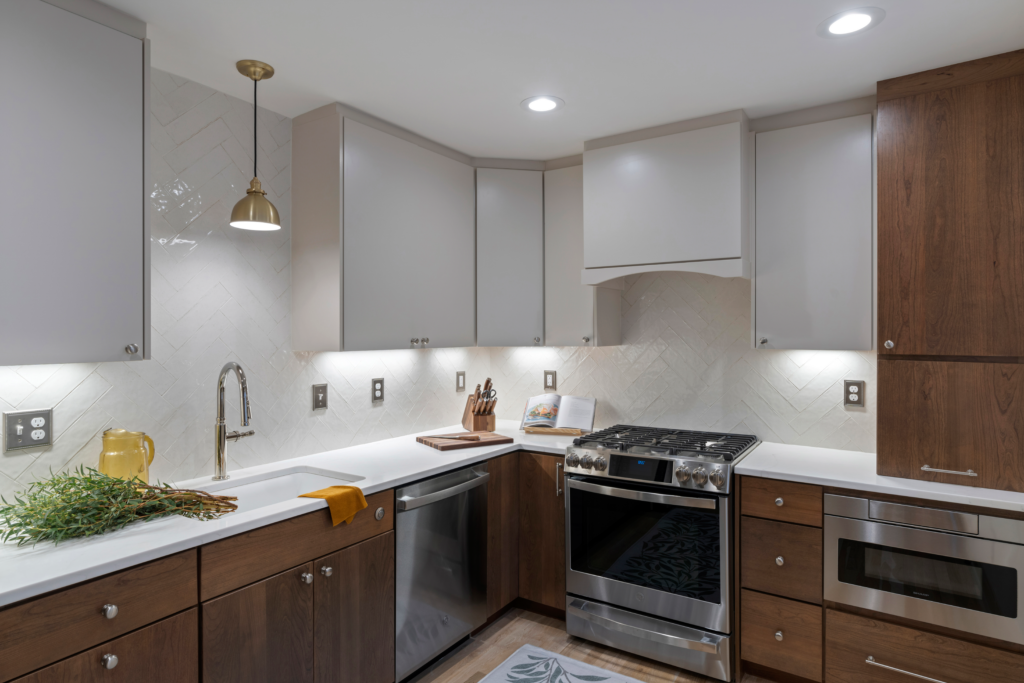
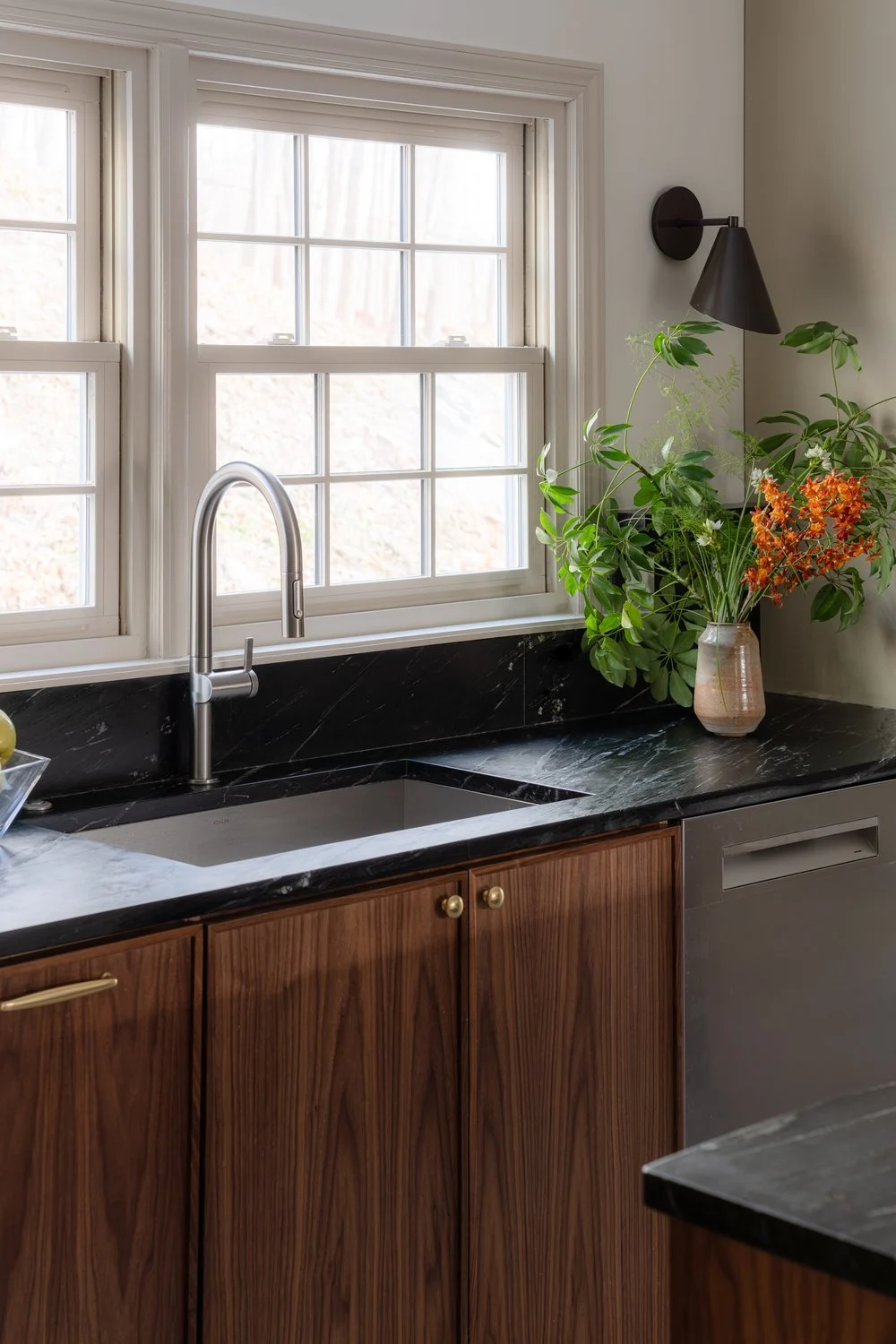
Kitchen Remodeling
The kitchen is frequently the most important room in the home.
A well-planned kitchen remodel can dramatically improve daily life while increasing enjoyment and resale value.
Primary Suite Renovations
Many homeowners choose to create a more comfortable and functional primary suite rather than move to a newer home.
This may include:
- Larger bedrooms
- Walk-in closets
- Luxury bathrooms
- Improved privacy
Aging-in-Place Improvements
For homeowners planning to stay long-term, remodeling can support future needs through:
- First-floor living
- Wider doorways
- Accessible bathrooms
- Improved circulation
- Reduced maintenance
BUDGETING
The Financial Side of Renovating vs. Moving
One of the most important considerations is cost.
While remodeling is a significant investment, moving involves expenses that are often overlooked.
These may include:
- Realtor commissions
- Closing costs
- Moving expenses
- Property taxes
- Mortgage rate changes
- Immediate updates to the new home
- Furniture and decorating costs
Many homeowners are surprised to discover how quickly these costs add up.
Remodeling allows those dollars to be invested directly into improving the home rather than into transaction costs.
OUR PROCESS
A MORE COMPLETE WAY TO REMODEL
Large-scale home transformations require more than quality construction alone. They call for a team that can bring design, budgeting, selections, scheduling, and execution together from the very beginning.
At Fine Home Contracting, we guide Connecticut homeowners through complex remodels and additions with one coordinated team and one clear, carefully managed process. The result is a smoother experience, stronger alignment throughout, and a finished home that feels beautifully considered at every stage.
Whether you are opening an older layout, creating more space for the way your family lives today, or reimagining an entire home with greater comfort, function, and refinement, our focus remains the same: thoughtful planning, exceptional craftsmanship, and a result that feels cohesive in every detail.
STAY INVOLVED
Why the Design-Build Approach Works Well for Major Renovations
When homeowners are deciding whether to move or remodel, one of the biggest concerns is uncertainty. Questions often include:
- What is possible?
- What will it cost?
- How long will it take?
- Will the investment be worthwhile?
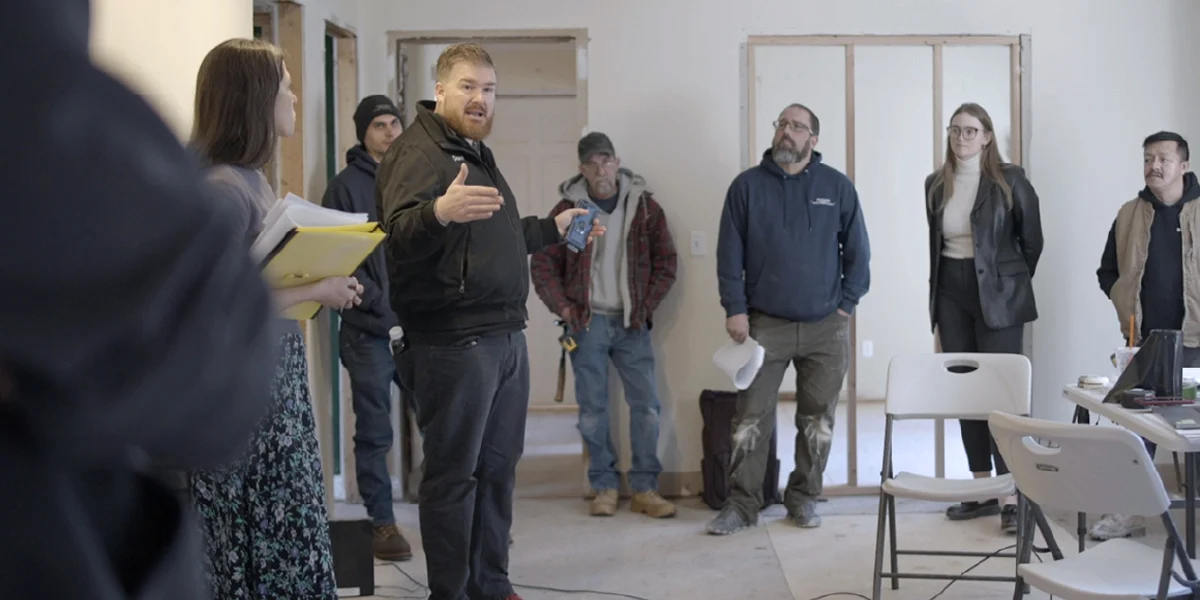
A design-build process helps answer those questions early. Rather than separating design and construction, a design-build firm brings together:
- Planning
- Design
- Budgeting
- Engineering coordination
- Material selections
- Permitting
- Construction
This creates a more informed decision-making process and helps homeowners understand their options before committing to a major project.
MISTAKES
Common Mistakes Homeowners Make When Deciding Between Moving and Remodeling
Focusing Only on the House
Many homeowners underestimate the value of their location, neighborhood, and community connections.
Comparing Remodeling Costs to Purchase Price Alone
Moving involves many expenses beyond the cost of the new home.
Assuming Another Home Will Be Perfect
Many homeowners discover that a new home still requires renovations or updates after purchase.
Making Decisions Without Exploring Remodeling Options
Some homeowners begin house hunting before fully understanding what is possible within their existing home.
A feasibility review can often reveal opportunities that were not initially obvious.
Thinking Only About Today’s Needs
The best decisions often consider how the home will function five, ten, or fifteen years from now.
FAQS
FREQUENTLY ASKED QUESTIONS
Is it cheaper to remodel or move in Connecticut?
It depends on the scope of the renovation and the local housing market. However, many homeowners find that moving involves substantial costs beyond the purchase price of a new home.
Does remodeling add value to a home?
Thoughtfully planned remodeling projects can improve both functionality and long-term property value.
What remodeling projects provide the biggest impact?
Home additions, whole-home renovations, kitchen remodels, and primary suite renovations often provide significant improvements in daily living.
How do I know if my home can support an addition?
A feasibility review that considers zoning, setbacks, septic systems, site conditions, and structural requirements can help determine what is possible.
What is a design-build remodel?
Design-build combines planning, design, budgeting, and construction under one coordinated team.
Should I renovate before considering a move?
It is often worth exploring renovation possibilities before making a decision. Many homeowners are surprised by what can be achieved within their existing home.
PLANNING MATTERS
A Thoughtful Approach to Improving Your Home
The decision to renovate or move is rarely just a financial one.
It involves lifestyle, family priorities, long-term goals, and how you want your home to support your life moving forward.
For many Connecticut homeowners, a thoughtfully planned design-build renovation provides an opportunity to create the home they truly want without giving up the location, neighborhood, and community they already enjoy.
At Fine Home Contracting, we help homeowners evaluate their options with clarity from the beginning. Whether you are considering a home addition, whole-home renovation, kitchen remodel, or another substantial remodeling project, understanding what is possible is often the first step toward making the right decision.
If you are weighing the decision to renovate or move in Connecticut, Fine Home Contracting can help you explore the possibilities and determine which path makes the most sense for your home, your family, and your future.
SCHEDULE A CONSULTATION
READY TO TRANSFORM YOUR HOME?
After you submit, our team will reach out within 1 business day to schedule a call and discuss your goals.
SCHEDULE A CONSULTATION
READY TO TRANSFORM YOUR HOME?
After you submit, a member of our team will reach out within 1 business day to discuss your goals.

FINE HOME CONTRACTING
Luxury Design-Build Services
About the Author: David Perrotti